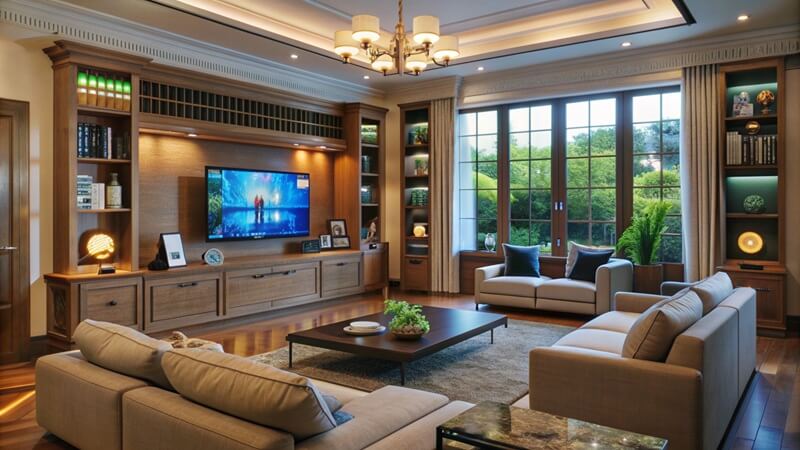
Creating a beautiful home is not only about buying expensive furniture or following every new trend. It is about understanding your space, choosing suitable colors and materials, and arranging everything in a way that feels comfortable and practical. A well-decorated home can improve everyday living while also reflecting the personality and preferences of the people who live there. Mintpaldecor home decoration by myinteriorpalace can be viewed as an inspiration point for people who want practical ideas for refreshing their living spaces. From choosing a suitable color palette to improving lighting and arranging furniture, thoughtful decoration can make even a simple room feel more welcoming. This complete guide explores useful home decoration principles, room-by-room ideas, common mistakes, budget-friendly improvements, and ways to create a balanced interior without making the process unnecessarily complicated.
Understanding Home Decoration
Home decoration involves selecting and arranging different elements to improve the appearance, comfort, and functionality of a space. These elements can include furniture, colors, lighting, curtains, rugs, artwork, plants, storage solutions, and decorative accessories. Good decoration does not mean filling every empty area. Instead, it involves creating a sense of balance. Each item should have a purpose, whether it provides functionality, comfort, visual interest, or personality. Before decorating, think about how the room will be used. A family living room may require comfortable seating and durable materials, while a bedroom should emphasize relaxation. A home office may benefit from better lighting and well-organized storage. Understanding these differences helps you make decisions that are both attractive and practical.
Start With a Decorating Plan
One of the easiest ways to avoid unnecessary spending is to create a plan before purchasing anything. Begin by examining the room. Consider its size, natural lighting, existing furniture, wall colors, flooring, and architectural features. Then determine what you want to change.
Ask yourself:
- What do I like about this room?
- What feels outdated or uncomfortable?
- What needs better organization?
- Which furniture can remain?
- What style do I want to create?
- How much can I reasonably spend?
Once you answer these questions, create a simple priority list.
For example, if a living room feels dark and crowded, improving lighting and rearranging furniture may be more useful than buying additional decorations.
Planning also helps prevent impulse purchases that do not work with the rest of the room.
Choose a Suitable Color Scheme
Color is one of the most noticeable elements in interior decoration. The right combination can make a room feel calm, spacious, energetic, warm, or sophisticated. Neutral shades such as white, cream, beige, gray, and soft brown provide versatile foundations. These colors can be combined with stronger shades through cushions, artwork, rugs, curtains, or other accessories. If you prefer a colorful interior, choose one dominant color and support it with two or three complementary shades. Using too many unrelated colors can make a room feel visually confusing. Another important factor is natural light. A room with limited sunlight may benefit from lighter wall colors, while a bright room can accommodate deeper or warmer tones. Remember that paint colors can appear different depending on lighting conditions, so testing a small area before painting the entire room is a sensible approach.
Improve Furniture Arrangement
Furniture placement has a major influence on how a room feels and functions. Instead of automatically pushing every piece against a wall, consider creating comfortable conversation areas. In a living room, sofas and chairs can face one another while leaving enough space for movement. Avoid blocking doors, windows, heating systems, or important walkways. The size of furniture should also match the room. Oversized furniture can make a small room feel cramped, while very small furniture can make a large room appear unfinished. Measure the available space before buying new pieces. Also measure doorways, stairways, and other access points to make sure furniture can actually enter the home.
Use Lighting Strategically
Lighting is often overlooked when decorating, but it can dramatically transform the mood and feel of a room. An effective lighting plan typically combines several different types of lighting. Ambient lighting provides general illumination. Ceiling fixtures and larger lamps are common examples. Task lighting is designed for specific activities. Desk lamps, reading lights, and kitchen work-area lighting fall into this category. Accent lighting draws attention to specific features, such as artwork, shelves, architectural elements, and decorative pieces. Whenever possible, make use of natural light. Keep windows clear and choose curtains that allow you to control brightness without unnecessarily blocking sunlight. Warm lighting helps create a cozy, relaxing atmosphere in bedrooms and living spaces, while brighter task lighting is ideal for kitchens and work areas.
Add Texture for More Interest
A room can sometimes feel flat when everything has a similar surface and material. Texture introduces visual and physical variety.
Consider combining:
- Soft cushions
- Woven baskets
- Wooden furniture
- Fabric curtains
- Area rugs
- Ceramic accessories
- Glass details
- Natural plants
- Textured wall finishes
You do not need dozens of decorative items. A few carefully selected textures can make a noticeable difference.
For example, a simple living room with a wooden coffee table, fabric sofa, woven rug, and soft cushions can feel considerably warmer than a room containing only smooth surfaces.
Create a Comfortable Living Room
Since the living room is often one of the most frequently used spaces in a home, comfort and functionality should be top priorities. Start with the seating arrangement. Make sure there is enough seating for the people who regularly use the room without overcrowding it. A rug can help visually connect furniture and define the seating area. Ideally, at least some of the main furniture should sit on or overlap the rug. Add a focal point to give the room visual direction. This might be a fireplace, artwork, television wall, architectural feature, or attractive piece of furniture. Decorative cushions, throws, plants, books, and artwork can add personality without requiring major renovation. The goal is to create a space that looks attractive but remains easy to live in.
Make the Bedroom More Relaxing
A bedroom should feel peaceful and comfortable. Avoid turning it into a storage area or filling it with unnecessary decorations. Choose calming colors and comfortable bedding. Keep bedside surfaces organized and provide adequate lighting for reading or nighttime activities. Curtains or blinds should provide enough privacy and allow you to control natural light. Storage is particularly important in bedrooms. Use wardrobes, drawers, baskets, under-bed storage, or other practical solutions to reduce visible clutter. A simple bedroom with coordinated colors, soft fabrics, appropriate lighting, and organized storage can feel more relaxing than an expensive room filled with unrelated furniture.
Refresh the Kitchen
Kitchen decoration should combine appearance with practicality. Keep countertops as clear as possible because excessive decoration can interfere with food preparation. Instead, focus on useful accessories and attractive organization. You can refresh a kitchen by changing cabinet hardware, adding suitable lighting, introducing open shelving, organizing storage containers, or adding a small amount of greenery. If you are planning a larger renovation, consider durability and maintenance before choosing materials. A beautiful surface that is difficult to clean may not be the best choice for a busy kitchen. Colors can also influence the kitchen atmosphere. Light shades can make smaller kitchens appear more open, while natural wood and earthy colors can create warmth.
Improve the Dining Area
A dining area does not need to be large to feel attractive. Choose a table that leaves enough room for people to sit comfortably and move around it. Keep the centerpiece relatively low so that it does not interfere with conversation. Pendant lighting can create a visual focus above a dining table, while artwork or a decorative wall can add personality.
For smaller dining areas, benches or space-efficient seating may provide greater flexibility.
Give the Entryway More Attention
The entryway creates the first impression of your home. Keep this area organized with practical storage for shoes, bags, coats, keys, and everyday items. A mirror can make a small entrance feel more spacious while also serving a useful purpose. A narrow console table, small rug, wall hooks, artwork, or plant can add personality without taking up too much space. Most importantly, avoid allowing the entryway to become a clutter collection point.
Incorporate Plants and Natural Elements
Plants can introduce freshness and natural texture into an interior. Choose plants according to the amount of available sunlight and the level of care you can provide. If maintaining live plants is difficult, carefully selected artificial greenery can provide a similar visual effect. Natural materials such as wood, stone, rattan, cotton, and linen can also make interiors feel warmer. These elements work particularly well with neutral colors because they add character without overwhelming the room.
Create Better Storage
Good decoration and good organization often go together. Clutter can make even a beautifully decorated room appear messy. Therefore, storage should be considered part of the overall design rather than an afterthought. Use furniture with built-in storage where appropriate. Baskets, boxes, shelves, cabinets, and organizers can help keep frequently used items accessible while reducing visual clutter. However, avoid buying storage containers before deciding what you need to store. First organize your belongings, remove unnecessary items, and then choose storage according to your actual needs.
Budget-Friendly Decoration Ideas
You do not need a large budget to refresh your home. One of the most affordable approaches is to rearrange existing furniture. A new layout can create an entirely different impression without purchasing anything.
Other inexpensive improvements include:
- Changing cushion covers
- Adding a simple rug
- Rearranging artwork
- Updating cabinet handles
- Introducing plants
- Improving lighting
- Decluttering shelves
- Adding decorative baskets
- Repainting a feature wall
- Changing curtains or small textiles
Before purchasing something new, look at what you already own. Sometimes an item stored in another room can become useful somewhere else. This approach supports the idea behind mintpaldecor home decoration by myinteriorpalace, where thoughtful choices can make a space more appealing without requiring excessive spending.
Mix Modern and Timeless Elements
Following trends can be enjoyable, but decorating entirely around short-lived trends can become expensive when styles change. A better strategy is to keep larger and more expensive elements relatively timeless. Sofas, flooring, cabinets, and major furniture pieces can use versatile designs, while smaller accessories can reflect current trends.
For example, you might choose a simple sofa and introduce seasonal colors through cushions, artwork, throws, or decorative objects.
This makes it easier to update the room without replacing major items.
Pay Attention to Proportion and Scale
Proportion is one of the most important design principles. A very small coffee table may look inappropriate in front of a large sectional sofa. Likewise, an oversized artwork can overwhelm a narrow wall. Before purchasing decorative pieces, consider the surrounding objects and available space. Group smaller items together when appropriate, but leave enough space to prevent shelves and surfaces from appearing crowded. Balance does not mean everything must be identical. Instead, different shapes and sizes should work together visually.
Avoid Common Decorating Mistakes
Even with good intentions, several mistakes can make a room less functional. One common mistake is buying furniture without measuring the room. Another is using too many decorative objects. Ignoring lighting is another problem. A beautifully decorated room can still feel uncomfortable if it is too dark or poorly illuminated. People also sometimes choose furniture based entirely on appearance without considering comfort. Another mistake is copying a complete room from a photograph without considering the differences between the photographed space and your own home. Use inspirational images as references, but adapt the ideas to your room’s size, architecture, lifestyle, and budget.
Personalize Your Interior
The best homes usually contain elements that tell a story about the people who live there. Family photographs, travel memories, favorite books, artwork, handmade objects, collections, and meaningful accessories can make an interior feel personal. You do not need to display everything you own. Select a few meaningful pieces and give them enough space to stand out. Personalization is what transforms a generic decorating style into a home that genuinely feels like yours.
Sustainable Decoration Choices
Sustainable decorating is becoming increasingly important. Instead of replacing everything, consider repairing, reusing, repurposing, or updating existing furniture. Choose durable items when purchasing something new. Quality furniture that lasts for many years can be more practical than inexpensive pieces that require frequent replacement. Secondhand furniture can also offer unique character while reducing unnecessary consumption. Simple choices such as using natural materials, reducing waste, and avoiding unnecessary purchases can contribute to a more thoughtful approach to home decoration.
A Simple Step-by-Step Decoration Process
If you are unsure where to begin, follow a straightforward process.
Step 1: Evaluate the room.
Identify what works and what needs improvement.
Step 2: Declutter.
Remove items that are unnecessary or no longer useful.
Step 3: Choose a style direction.
Decide whether you prefer modern, traditional, minimalist, rustic, contemporary, or another approach.
Step 4: Select colors.
Create a simple palette that complements the room’s natural light and existing elements.
Step 5: Arrange major furniture.
Prioritize movement, comfort, and functionality.
Step 6: Improve lighting.
Combine natural light with appropriate ambient, task, and accent lighting.
Step 7: Add textiles and texture.
Introduce rugs, cushions, curtains, throws, and other suitable materials.
Step 8: Add decoration gradually.
Choose artwork, plants, accessories, and personal items carefully.
Step 9: Review the space.
Remove anything that feels unnecessary or out of place. This gradual process can make decorating less stressful and help you avoid unnecessary expenses.
How to Keep Your Home Looking Fresh
A well-decorated home does not need constant major changes. Regular maintenance and small updates can keep it looking attractive. Clean surfaces regularly, organize storage areas, rotate seasonal accessories, maintain plants, and repair damaged items promptly. Every few months, reassess the room. You may discover that simply removing a few objects or changing the arrangement can make the space feel new again. Seasonal updates can also be simple. Changing textiles, adding natural seasonal elements, or adjusting decorative colors can refresh an interior without a major redesign.
Final Thoughts
Home decoration is ultimately about creating spaces that support the way you live. Beautiful colors and attractive furniture are valuable, but comfort, organization, functionality, and personal expression are equally important. The principles associated with mintpaldecor home decoration by myinteriorpalace can inspire homeowners to approach decorating with creativity and practical thinking. You do not have to transform your entire home at once. Start with one room, identify its biggest needs, and make thoughtful improvements step by step. Whether your goal is a simple refresh or a complete interior transformation, careful planning can help you achieve better results. Focus on what works for your lifestyle, choose quality and useful elements where possible, and avoid feeling pressured to follow every trend. A successful home is not necessarily the most expensive or fashionable one. It is a space that feels comfortable, organized, welcoming, and genuinely connected to the people who live there.