
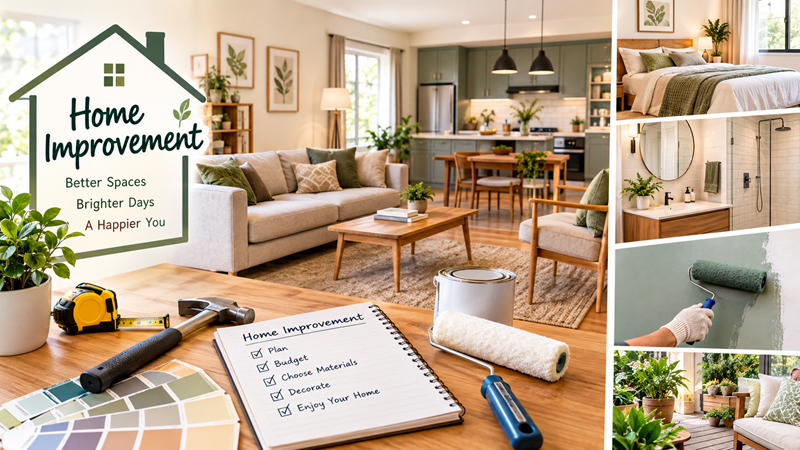
Home improvement doesn’t always require costly renovations or major structural changes. Sometimes, thoughtful updates, better organization, improved lighting, and small repairs can make a home more comfortable, attractive, and functional. Whether you are preparing to renovate an entire house or simply want to refresh one room, having a clear plan can help you achieve better results while keeping your project manageable. The idea behind home improvement mintpaldecor is to approach home upgrades with creativity, practicality, and careful planning. A successful improvement project should suit your lifestyle while balancing comfort, durability, style, and budget. This guide explains how to plan home improvement projects, choose worthwhile upgrades, improve individual rooms, avoid common mistakes, and create a home that feels more welcoming and useful.
Why Home Improvement Matters
A home naturally changes as your needs and lifestyle change. Furniture can become outdated, storage may become insufficient, finishes can wear out, and rooms may no longer work as effectively as they once did. Home improvement allows you to solve these problems while improving the overall experience of living in your space.
Well-planned improvements can help you:
- Make rooms more functional
- Improve organization and storage
- Refresh outdated interiors
- Increase everyday comfort
- Improve lighting and atmosphere
- Address maintenance problems
- Create more usable living areas
- Personalize your home
- Maintain and enhance the property’s long-term condition.
You don’t have to tackle every improvement at once. Prioritizing the most important areas allows you to make progress without overwhelming your budget or schedule.
Start With a Home Improvement Plan
Before purchasing materials or choosing new furniture, take time to evaluate your home. Go through each room to assess what works well and what could be improved. Create a simple list of areas that need improvement and opportunities to enhance each space.
For example, the living room may need better lighting, the bedroom may benefit from additional storage, and the kitchen could be improved with better organization. Divide your list into three categories:
Essential Repairs
These are problems that should be addressed because they affect safety, functionality, or the condition of the home. Examples include damaged flooring, leaking fixtures, broken doors, poor ventilation, or electrical problems.
Functional Improvements
These changes make everyday activities easier. Additional shelving, improved storage, better lighting, and more practical furniture arrangements can fall into this category.
Decorative Updates
These include paint, artwork, curtains, rugs, cushions, accessories, and other changes that primarily improve appearance. This approach helps you invest your money where it will have the greatest impact.
Set a Realistic Budget
Creating a budget is one of the most important steps in any home improvement project. Without a clear spending limit, small purchases can quickly add up. Begin by estimating the cost of materials, furniture, tools, labor, delivery, and other necessary expenses. Then leave some money available for unexpected costs. A useful strategy is to divide your budget into priorities. Spend more on items that need to be durable or are difficult to replace, while looking for affordable alternatives for temporary or decorative elements.
For example, investing in quality flooring may make sense because it receives daily use. Decorative accessories, on the other hand, can often be changed later without a major expense.
Improve One Area at a Time
Trying to renovate the entire house simultaneously can create unnecessary stress. Unless you have the budget, time, and professional support for a complete renovation, consider working room by room. Start with the space that has the greatest impact on your daily life. For many households, these may include the living room, kitchen, bedroom, or bathroom. Completing one area gives you a finished result and allows you to learn from the process before moving to another room. Working gradually also makes it easier to control expenses.
Refresh Your Walls
Walls play a significant role in shaping the overall look and feel of a room. A fresh coat of paint can make an interior feel cleaner, brighter, and more modern. Light colors can make smaller rooms feel more spacious, while deeper shades can create a warm, cozy atmosphere when used thoughtfully.
You can also create visual interest with:
- Accent walls
- Wallpaper
- Decorative molding
- Wall art
- Mirrors
- Floating shelves
- Textured finishes
Before selecting a color, consider the amount of natural light entering the room. A shade that looks attractive in a showroom may appear very different under the lighting conditions in your home.
Upgrade Your Lighting
Lighting is often overlooked during home improvements, yet it can dramatically change how a room looks and feels. A well-designed lighting plan usually combines several types of lighting.
Ambient Lighting
This provides general illumination throughout the room. Ceiling fixtures, recessed lights, and other broad sources are common examples.
Task Lighting
Task lighting provides focused illumination for activities such as reading, cooking, studying, or working.
Accent Lighting
Accent lighting highlights specific features, such as artwork, shelves, architectural details, or decorative objects. Using these layers together creates a more flexible and comfortable environment. Whenever possible, take advantage of natural light to brighten the space. Keep windows clean and avoid blocking them unnecessarily with oversized furniture or heavy coverings.
Make Storage More Practical
Limited storage can make even a beautifully decorated home feel cluttered and disorganized. Instead of simply adding more cabinets or containers, first examine how your belongings are currently organized. Remove items you no longer need and then determine where frequently used possessions should be stored.
Useful storage ideas include:
- Floating shelves
- Built-in cabinets
- Storage benches
- Under-bed storage
- Drawer organizers
- Wall-mounted hooks
- Multi-purpose furniture
- Baskets and boxes
Vertical storage is especially helpful when floor space is limited. Using wall space allows you to organize belongings without making a room feel smaller.
Improve Your Living Room
The living room is often one of the most frequently used spaces in a home, so improvements should strike a balance between comfort and style. Begin by reviewing the furniture arrangement. Arrange seating so people can communicate easily and move around the room without obstacles. A rug can help define the seating area, while cushions and throws can introduce color and texture. Consider adding a combination of practical and decorative elements, such as:
- Comfortable seating
- A suitable coffee table
- Layered lighting
- Curtains
- Artwork
- Plants
- Storage furniture
Avoid filling every space. A room can feel more sophisticated when furniture and accessories have enough breathing room.
Make the Kitchen More Functional
Kitchen improvements do not always require replacing every cabinet or appliance. Simple changes can make a significant difference. Improve countertop organization, add drawer dividers, install useful shelving, or replace outdated hardware. Consider how you move through the kitchen while cooking. Frequently used items should be easy to reach, while rarely used equipment can be stored farther away. If you are undertaking a larger renovation, think carefully about the relationship between preparation, cooking, cleaning, and storage areas. Function should guide the design rather than appearance alone.
Create a More Comfortable Bedroom
A bedroom should support relaxation and restful routines. Start by removing unnecessary clutter and creating a calm visual environment. Choose bedding that is comfortable and suitable for the season. Soft lighting can make the room feel more relaxing, while blackout curtains may help control unwanted outside light. Storage is also important. Keep frequently used clothing accessible while storing seasonal items separately. A simple color palette, comfortable textiles, and carefully selected accessories can create a more peaceful atmosphere without requiring an expensive makeover.
Upgrade the Bathroom
Bathrooms benefit from improvements that combine appearance with durability. Small updates can include new hardware, improved lighting, mirrors, shelving, shower curtains, or accessories. For larger projects, consider the condition of flooring, plumbing fixtures, ventilation, and waterproofing before focusing on decorative details. Good ventilation is particularly important because excess moisture can contribute to unpleasant odors and damage over time. Choose materials that are appropriate for humid environments and easy to clean.
Pay Attention to Flooring
Flooring affects both appearance and everyday comfort. When choosing new flooring, consider durability, maintenance, moisture exposure, room usage, and the overall style of the home. High-traffic areas generally require durable materials that can withstand frequent use. Bedrooms may allow more flexibility because they experience different levels of wear. If replacing the entire floor is outside your budget, consider whether repairing, refinishing, or deep cleaning the existing surface can produce a worthwhile improvement.
Improve Doors and Hardware
Doors, handles, cabinet pulls, and other hardware may seem like small details, but they contribute to the overall appearance of an interior. Replacing outdated handles can provide a quick refresh. Similarly, repainting suitable interior doors can give a room a cleaner appearance. When selecting new hardware, try to maintain visual consistency throughout connected spaces. Matching finishes can create a more cohesive appearance without requiring every item to be identical.
Add Natural Elements
Plants, wood, natural fibers, and other organic materials can add warmth and visual interest to an interior. Houseplants can bring greenery into rooms while also providing decorative value. Wooden furniture and woven accessories can introduce texture and make spaces feel less sterile. However, choose natural elements according to the conditions of the room. Plants should be suitable for the available light and your ability to care for them.
Think About Energy Efficiency
Some home improvements can make your home more comfortable while potentially reducing unnecessary energy use. Check for drafts around windows and doors. Improving weather sealing can help maintain indoor temperatures more effectively. Energy-efficient lighting is another practical upgrade. You can also consider window coverings that help manage sunlight and indoor temperature. For larger improvements, insulation, efficient appliances, and professionally assessed heating or cooling systems may be worth considering.
Avoid Common Home Improvement Mistakes
Good planning can prevent many unnecessary problems. One common mistake is starting without a clear budget. Another is choosing appearance over functionality. A beautiful room that is difficult to use will not provide long-term satisfaction.
Other mistakes include:
- Buying furniture before measuring the room
- Choosing colors without testing samples
- Ignoring storage requirements
- Trying to complete too many projects at once
- Selecting materials based only on appearance
- Failing to account for maintenance
- Forgetting unexpected project costs
- Making major changes without professional advice when needed
Measurements should always be taken before purchasing large furniture, flooring, cabinetry, or fixtures.
When to Hire a Professional
Many cosmetic improvements can be completed independently, but certain projects require qualified professionals. Electrical work, significant plumbing changes, structural modifications, roofing work, and other specialized tasks can involve safety risks and local requirements. If you are unsure whether a project is suitable for DIY work, seek professional guidance. Paying for expert assistance can help prevent expensive mistakes and improve the safety of the finished project.
Make Improvements That Match Your Lifestyle
A successful home should work for the people who live there. For a family, durable surfaces and accessible storage may be particularly important. Someone who works from home may benefit from a dedicated workspace and better task lighting. People who enjoy entertaining may prioritize seating, kitchen functionality, and open gathering areas. This is why home improvement mintpaldecor should not be about copying a particular interior style. Instead, improvements should combine design inspiration with the practical needs of the household. Before making a change, ask yourself how it will improve your daily experience.
Choose Timeless Ideas Over Every Trend
Trends can provide useful inspiration, but following every new style can quickly become expensive. A better approach is to use timeless foundations and introduce trends through smaller, replaceable elements.
For example, you can keep permanent features relatively simple while using cushions, artwork, rugs, accessories, or paint to introduce current colors and styles.
This makes it easier to update your home later without undertaking another major renovation.
Create a Maintenance Routine
Home improvement does not end when the project is finished. Regular maintenance helps protect your investment. Create a simple routine for cleaning, inspecting, and maintaining different areas of the home. Check fixtures, doors, windows, flooring, storage areas, and appliances periodically. Address small problems before they become larger repairs. Regular maintenance also helps your home remain comfortable and attractive over time.
Sustainable Home Improvement Ideas
Consider sustainability when planning future upgrades. Reusing suitable furniture, repairing items instead of immediately replacing them, and choosing durable materials can reduce unnecessary waste. You can also look for secondhand furniture, responsibly sourced materials, and products designed for long-term use. Sustainable improvement does not require perfection. Even small decisions can contribute to a more thoughtful approach to decorating and renovating.
Final Thoughts
Home improvement is an opportunity to make your living environment more comfortable, practical, attractive, and personal. The best projects begin with careful observation and realistic planning rather than rushing into purchases or renovations. Start by identifying your home’s most important needs. Set a budget, establish priorities, measure your spaces, and choose improvements that genuinely support your lifestyle. From better lighting and storage to refreshed walls, upgraded rooms, improved flooring, and thoughtful decorative details, there are many ways to transform a home gradually. The goal of home improvement mintpaldecor is to make the process easier to understand while encouraging practical and creative decisions. You do not need to change everything at once. With patience, planning, and the right ideas, even modest improvements can create meaningful changes throughout your home. A well-improved home is not simply one that looks attractive. It is a space that functions well, feels comfortable, reflects the people who live there, and continues to meet their needs over time.