
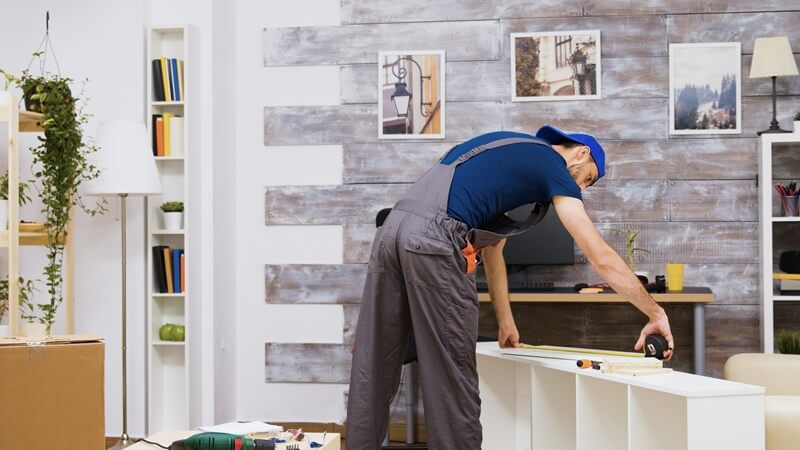
Improving a house is an exciting opportunity to create a space that feels more comfortable, functional, attractive, and suited to your lifestyle. Whether you are planning a major renovation or looking for simple ways to refresh your surroundings, thoughtful improvements can make a noticeable difference. The key is to focus on practical changes that solve real problems while also enhancing the overall appearance of your home. House improvement can include everything from repairing worn-out features and updating rooms to improving storage, lighting, energy efficiency, and outdoor spaces. You do not necessarily need a large budget to make meaningful changes. With careful planning, realistic priorities, and creative ideas, even small projects can transform the way your home looks and feels. This complete House Improvement MintpalDecor covers how to plan renovation projects, select the right upgrades, manage your budget, enhance different areas of your home, avoid common mistakes, and create a comfortable and functional space that lasts for years.
What Is House Improvement?
House improvement refers to changes made to a property to improve its appearance, comfort, functionality, safety, efficiency, or overall condition. These improvements can be small and inexpensive or large and complex. Examples include painting walls, replacing outdated fixtures, improving lighting, installing storage, repairing flooring, upgrading doors and windows, renovating kitchens and bathrooms, and improving outdoor areas. The best improvement projects are not necessarily the most expensive ones. Instead, they are the projects that provide meaningful benefits for the people who use the home.
For example, adding shelves to an unused wall may provide more practical value than purchasing expensive decorative furniture. Similarly, improving lighting in a dark room can completely change its atmosphere without requiring a major renovation.
Why House Improvement Is Important
A house should evolve as the needs of its occupants change. A room that worked well several years ago may no longer provide enough storage, comfortable seating, workspace, or organization. Regular improvements can help maintain the property while making everyday life easier.
Some important benefits include:
- Better comfort
- Improved functionality
- More efficient use of space
- Increased storage
- A fresher appearance
- Better organization
- Improved energy efficiency
- Greater safety
- Reduced maintenance problems
- A more personal living environment
House improvements can also help protect the condition of the property. Taking care of minor issues early can help avoid more expensive repairs later.
Begin With a Complete Home Assessment
Before starting any project, inspect your house carefully. Walk through each room and make notes about areas that need attention. Look for visible damage, poor organization, outdated features, insufficient lighting, worn flooring, storage problems, and areas that are difficult to use. It can be helpful to divide your findings into three categories.
Repairs
These include problems that affect safety, durability, or the condition of the property. Examples may include damaged flooring, leaking fixtures, broken doors, moisture issues, or electrical problems.
Functional Improvements
These changes can make the home more functional and convenient. Better storage, improved furniture layouts, additional lighting, and more practical room arrangements fall into this category.
Decorative Improvements
These are changes that primarily improve appearance. Paint, artwork, curtains, rugs, cushions, plants, and accessories can refresh a room without requiring major construction. This simple classification helps you determine which projects deserve attention first.
Set Priorities Before Spending Money
One of the biggest mistakes homeowners make is starting with the most exciting project rather than the most important one. A new kitchen may look appealing, but if your home has a serious plumbing or moisture problem, those issues should be addressed first. Create a priority list based on urgency, usefulness, cost, and long-term value.
A practical order might be:
- Safety concerns
- Structural or major maintenance problems
- Water or moisture issues
- Electrical and plumbing improvements
- Functional upgrades
- Energy-efficiency improvements
- Decorative changes
This approach ensures that your budget is directed toward improvements that matter most.
Create a Realistic Budget
A realistic budget provides control over the entire project. Before buying materials, furniture, fixtures, or tools, estimate how much each part of the improvement will cost.
Include:
- Materials
- Labor
- Tools
- Delivery
- Furniture
- Fixtures
- Finishing products
- Waste removal
- Unexpected expenses
It is wise to keep an emergency amount available for unexpected costs. Older homes, in particular, may reveal hidden problems once walls, flooring, or cabinets are opened. Do not spend your entire budget on appearance while ignoring essential repairs. A beautiful room is not a successful improvement if underlying problems remain unresolved.
Improve Your Home One Room at a Time
Trying to upgrade the entire house at once can quickly become costly and overwhelming. Unless you have extensive resources and professional support, consider completing projects one area at a time. Choose the room that creates the greatest benefit for your household.
For example, you may begin with the living room because it is used daily. Alternatively, a kitchen may be the best starting point if poor storage and outdated features are causing constant frustration.
Completing one room provides a clear sense of progress and allows you to evaluate what worked before moving to another space.
Refresh Walls With Paint
Painting is one of the easiest ways to refresh a room’s appearance. Before choosing a color, consider the room’s natural light, furniture, flooring, and existing decorative elements. Light shades can help smaller spaces feel more open, while darker colors can create a more intimate atmosphere. You do not always need to repaint every wall. An accent wall can provide visual interest while reducing the amount of paint and labor required. Before applying a final color, test a small area and observe how it looks at different times of the day.
Upgrade Your Lighting
Lighting can greatly affect a home’s atmosphere, comfort, and functionality. A useful lighting plan combines different types of illumination.
Ambient Lighting
This provides general light throughout a room. Ceiling fixtures and broad overhead lighting are common examples.
Task Lighting
Task lighting provides focused illumination for specific activities. Desk lamps, reading lights, under-cabinet kitchen lights, and bathroom vanity lights are examples.
Accent Lighting
Accent lighting draws attention to artwork, architectural details, shelves, plants, or other decorative features. Combining these types of lighting allows you to adjust the atmosphere according to different activities. Also take advantage of natural light. Keep windows clean and avoid placing oversized furniture directly in front of them.
Improve Storage and Organization
Poor storage is one of the most common reasons a home feels cluttered. Instead of simply purchasing more storage containers, begin by reducing unnecessary belongings. Once you know what needs to remain, identify practical locations for storing those items.
Useful solutions include:
- Floating shelves
- Built-in cabinets
- Storage benches
- Under-bed drawers
- Wall hooks
- Drawer organizers
- Baskets
- Multi-purpose furniture
- Tall shelving units
Use vertical wall space whenever possible. This can provide valuable storage without taking up additional floor area.
Make the Living Room More Comfortable
The living room should balance comfort, movement, and visual appeal. Start by evaluating the furniture arrangement. Seating should encourage conversation while leaving enough space for people to walk comfortably. A suitable area rug can define the seating zone, while cushions and throws can introduce color and texture.
Consider adding:
- Comfortable seating
- A practical coffee table
- Layered lighting
- Curtains
- Plants
- Artwork
- Storage furniture
- Decorative accessories
Avoid overcrowding the room. Space is useful because it allows the interior to feel more open and organized.
Improve the Kitchen
The kitchen is one of the most important areas for functional improvement because it combines storage, preparation, cooking, and cleaning. Small changes can make a substantial difference. Organize drawers, add shelf organizers, improve countertop storage, and replace outdated cabinet hardware. Think about how you use the kitchen every day. Frequently used cookware and ingredients should be easy to reach. Items used less often can be stored in less accessible areas. If you are planning a complete renovation, consider workflow before selecting finishes. A beautiful kitchen should also be convenient to use.
Create a Better Bedroom
The bedroom should feel comfortable and relaxing. Start by removing unnecessary clutter. Use suitable storage for clothing, bedding, and personal items. Soft lighting, comfortable bedding, appropriate window treatments, and calming colors can create a more peaceful environment. Choose furniture according to the room’s size. A large bed and oversized furniture may make a small bedroom feel crowded. If space is limited, consider furniture that serves multiple purposes, such as beds with storage underneath or compact bedside tables with drawers.
Update the Bathroom
Bathrooms require a balance between appearance, durability, ventilation, and practicality. Simple improvements may include replacing outdated hardware, installing better lighting, updating mirrors, adding storage, or refreshing accessories. For larger projects, pay attention to plumbing, waterproofing, flooring, and ventilation. Good ventilation is particularly important because excess moisture can contribute to odors, surface damage, and other problems. Choose materials that can tolerate humidity and are easy to clean.
Consider Flooring Improvements
Flooring receives constant use, so durability should be an important consideration. Before replacing a floor, determine whether the existing material can be repaired, refinished, or professionally cleaned. Sometimes restoration can provide a significant improvement at a lower cost than complete replacement. If new flooring is necessary, consider the room’s purpose. High-traffic areas require durable materials, while bedrooms may allow softer and more comfortable options. Choose flooring that complements the walls, furniture, and overall style of the house.
Improve Doors and Hardware
Doors and hardware may seem like minor details, but they influence the visual consistency of an interior. Replacing outdated cabinet handles, door knobs, hinges, and similar features can provide a relatively affordable refresh. Interior doors can also be painted or updated where appropriate. When selecting finishes, consider how nearby rooms connect visually. Consistency does not mean everything must match perfectly. However, coordinating materials and finishes can create a more polished appearance.
Make Windows More Effective
Windows influence natural light, comfort, ventilation, and energy efficiency. Check for drafts around frames and make sure window coverings operate properly. Curtains and blinds can also influence the appearance of a room while helping manage sunlight and privacy. If your windows are old or damaged, investigate whether repair or replacement is appropriate. For major upgrades, professional advice can help you determine which options suit your property and climate.
Improve Energy Efficiency
Energy-efficient improvements can make a home more comfortable while potentially reducing unnecessary energy use. Start with simple measures such as sealing drafts around doors and windows, using efficient lighting, and improving the use of curtains or blinds. For larger projects, consider insulation, efficient appliances, and professionally evaluated heating or cooling systems. Energy improvements should be selected according to the home’s condition, local climate, and household needs.
Add Natural Elements
Natural materials and greenery can make interiors feel warmer and more welcoming. Plants can add color and life to rooms, while wood, woven materials, stone, and natural textiles can introduce texture. However, choose plants based on the light and conditions available in each room. A beautiful plant is only useful if it can thrive in its environment. Natural elements can also be incorporated through furniture, baskets, rugs, artwork, and decorative objects.
Improve Outdoor Spaces
House improvement should not stop at the interior. Outdoor areas such as patios, balconies, porches, and gardens can become valuable extensions of your living space.
Simple improvements may include:
- Outdoor seating
- Potted plants
- Lighting
- Privacy screens
- Outdoor rugs
- Planters
- Clean pathways
- Functional storage
Keep outdoor improvements consistent with the style and practical needs of your home.
Choose Improvements That Match Your Lifestyle
There is no universal improvement plan because every household has different needs. A family with young children may prioritize durable surfaces and accessible storage. Someone working from home may need a dedicated workspace and better task lighting. People who frequently entertain guests may benefit from comfortable seating and improved kitchen functionality. This is why house improvement mintpaldecor should focus on making a home work better for the people who live in it rather than simply copying an attractive design from somewhere else. Before making a change, ask yourself one simple question: “How will this improvement make everyday life better?”
Avoid Following Every Trend
Interior trends can provide useful inspiration, but trends change quickly. Instead of making expensive permanent changes based entirely on current styles, create a timeless foundation and introduce trends through easily replaceable elements. Rugs, cushions, artwork, curtains, accessories, and paint can often be changed more easily than flooring, cabinets, countertops, or built-in features. This approach allows your home to remain current without requiring constant major renovations.
Know When to Hire Professionals
Some improvements are suitable for DIY work, while others require qualified professionals. Electrical modifications, major plumbing work, structural changes, roofing projects, and other specialized tasks may involve safety risks and local requirements. If you are uncertain about a project, seek professional guidance rather than relying on guesswork. Professional assistance may cost more initially, but it can prevent serious mistakes and improve the safety and quality of the finished work.
Consider Sustainable Improvements
Sustainability can be part of any improvement plan. Rather than replacing everything automatically, consider repairing suitable furniture and fixtures. Reusing existing items can reduce waste and save money. When buying new materials, prioritize durability and long-term usefulness. A product that lasts longer may provide better value than a cheaper option that needs frequent replacement. You can also consider secondhand furniture and responsibly sourced materials where practical.
Maintain Your Improvements
A house improvement project does not end when the new paint dries or the furniture arrives. Regular maintenance helps protect your investment. Create a simple routine for checking windows, doors, flooring, plumbing fixtures, storage systems, appliances, and outdoor areas. Clean surfaces appropriately and address minor damage promptly. Small problems are generally easier and less expensive to solve before they become major issues. Maintenance also helps your home continue to look attractive after the initial improvement project is complete.
Common House Improvement Mistakes
Even well-planned projects can go wrong when homeowners overlook basic considerations.
Common mistakes include:
- Starting without a clear budget
- Buying furniture before measuring
- Ignoring maintenance requirements
- Choosing appearance over functionality
- Attempting complicated work without proper skills
- Following trends without considering long-term use
- Starting too many projects simultaneously
- Forgetting unexpected expenses
- Neglecting storage needs
- Choosing materials without considering durability
Careful planning can help you avoid most of these problems.
Create a Long-Term Improvement Strategy
Instead of treating every improvement as a separate project, think about your house as a complete environment. Create a long-term list of potential improvements and rank them according to urgency and value. You might plan essential repairs first, functional upgrades next, and decorative changes afterward. This strategy makes large improvement goals feel more manageable. It also allows you to spread expenses over time rather than trying to pay for everything at once.
Final Thoughts
Improving a house is about more than making it look newer. The best improvements create a home that is easier to use, more comfortable, better organized, and more reflective of the people who live there. Start by assessing your home’s current condition and identifying the areas that need the most attention. Set a realistic budget, establish priorities, and complete projects gradually. Focus on practical improvements such as better storage, lighting, flooring, kitchen organization, comfortable bedrooms, functional bathrooms, and efficient use of space. The principles of house improvement mintpaldecor encourage homeowners to combine creativity with practical decision-making. You do not need to complete an expensive renovation to create meaningful change. Small improvements, when selected carefully, can have a surprisingly large impact. Most importantly, choose improvements that support your lifestyle rather than simply following trends. A successful home is one that looks appealing but also functions naturally for the people who live there. With thoughtful planning, regular maintenance, and a willingness to improve one area at a time, house improvement mintpaldecor can become a practical approach to creating a home that remains comfortable, functional, and inviting for years to come.