
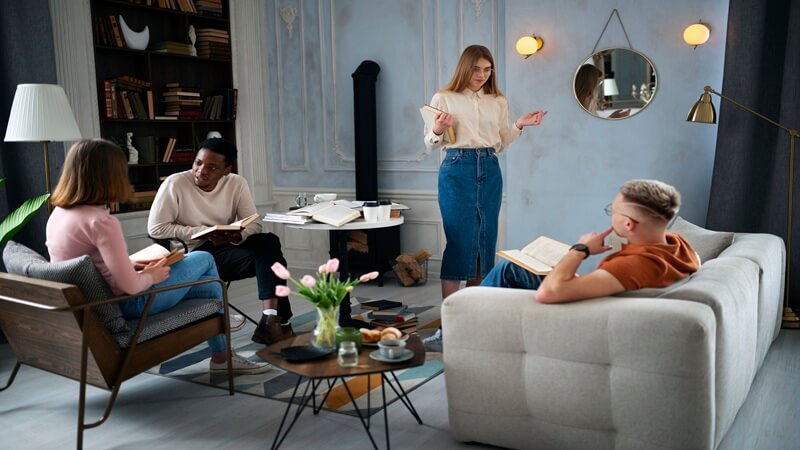
Interior design is more than choosing attractive furniture, stylish colors, or decorative accessories. It is the art of creating spaces that combine beauty, comfort, functionality, and personality. Whether you want to refresh a small bedroom, redesign a living room, or improve your entire home, understanding the fundamentals of interior design can help you make confident decisions and achieve impressive results without overspending. Learning how to be better at interior design mintpaldecor begins with observing your surroundings, understanding how each room is used, and developing a clear vision before making changes. You do not need expensive furniture or professional equipment to create a beautiful interior. Instead, thoughtful planning, suitable color combinations, balanced furniture arrangements, and carefully selected decorations can transform an ordinary room into a welcoming environment. MintpalDecorad encourages homeowners to explore practical interior decoration tips, creative home improvement ideas, and affordable ways to improve everyday living spaces. By applying the principles in this guide, you can develop your design skills, avoid common decorating mistakes, and create interiors that reflect your individual taste.
1. Understand the Basic Principles of Interior Design
Before purchasing furniture or choosing paint colors, learn the essential principles that make a room feel balanced and visually appealing. These principles provide a reliable foundation for making decorating decisions.
Balance
Balance refers to distributing visual weight throughout a room. A large sofa on one side of a living room, for example, may look overwhelming if the opposite side contains only a small table. You can create balance by adding an armchair, a floor lamp, or a substantial decorative element on the other side.
There are three common approaches:
- Symmetrical balance: Arrange similar objects on both sides of a central point.
- Asymmetrical balance: Combine different objects that create a similar visual weight.
- Radial balance: Arrange furniture or accessories around a central feature, such as a round dining table.
Choose the approach that suits your room, furniture, and preferred decorating style.
Proportion and scale
Proportion describes the relationship between different objects, while scale concerns their size in relation to the room. Oversized furniture can make a small space difficult to navigate, whereas very small furniture may appear lost in a large room. Measure your room before buying major pieces. Consider the ceiling height, wall length, walking paths, and dimensions of existing furniture. This simple habit helps you select items that fit naturally into the available space.
Harmony and rhythm
Harmony makes different elements feel connected, while rhythm guides the eye through a room. Repeating a color, material, shape, or finish can establish a consistent visual pattern.
For example, wooden furniture, woven baskets, and natural-colored cushions can work together to create a warm, coordinated interior. However, avoid repeating everything identically. A little contrast keeps the design interesting. The Homes & Gardens guide to interior design principles to learn how balance, rhythm, scale, emphasis, and harmony can transform your living space.
2. Develop a Clear Interior Design Style
One of the most effective ways to improve your decorating skills is to identify the styles you genuinely enjoy. Without a clear direction, you may purchase attractive items that do not work well together.
Explore popular design styles
Consider these widely used interior design approaches:
- Modern: Clean lines, simple furniture, and uncluttered surfaces.
- Contemporary: Current design influences, flexible layouts, and a mixture of materials.
- Scandinavian: Light colors, practical furniture, natural textures, and simplicity.
- Traditional: Classic furniture shapes, decorative details, and established patterns.
- Minimalist: Essential furnishings, open space, and carefully selected accessories.
- Bohemian: Layered textiles, artistic objects, plants, and varied patterns.
- Industrial: Metal finishes, exposed structural details, and weathered materials.
You don’t have to stick strictly to a single design style. Combining two compatible approaches can produce a more personal result. For instance, modern furniture can look inviting when paired with traditional wooden accents and soft textiles.
Create an inspiration collection
Collect pictures of rooms, furniture, lighting, flooring, and color combinations that appeal to you. Review the collection to identify recurring features. Perhaps you repeatedly choose warm neutrals, natural wood, simple furniture, and green plants. These preferences can become the foundation of your personal design style. An inspiration board also helps you compare ideas before spending money. MintpalDecorad recommends using this planning stage to develop a consistent vision rather than decorating each room without considering the wider home.
3. Choose a Coordinated Color Palette
Color affects the mood, perceived size, and overall character of a room. Learning to combine colors effectively is therefore an important part of becoming a more confident home decorator.
Start with three main colors
A practical starting point is to choose a dominant color, a secondary color, and an accent color.
For example:
- Dominant: warm white or soft beige for walls.
- Secondary: muted green or natural brown for furniture and textiles.
- Accent: terracotta, navy, or mustard for cushions and accessories.
This approach creates structure without limiting your creativity. You can adjust the proportions according to the room and the effect you want.
Consider natural and artificial lighting
Colors can appear different depending on the direction of sunlight, the size of the windows, and the type of light bulbs used. A paint shade that looks attractive in a store may appear cooler or darker at home. Test paint samples on different walls and observe them in the morning, afternoon, and evening. Check them under your regular artificial lighting before making a final decision.
Use contrast thoughtfully
Contrasting colors add depth and visual interest. A dark wooden table can stand out against pale walls, while colorful cushions can brighten a neutral sofa. However, too many strong colors may make a room feel disorganized. Use bold shades strategically and allow quieter colors to connect the overall design.
4. Improve Furniture Arrangement and Room Layout
The way furniture is arranged affects how easily people can move around a room. expensive furniture can look out of place when it blocks walkways or makes conversation difficult. Start by identifying the primary purpose of the room. A living room may support family gatherings, television viewing, reading, and entertaining guests. A bedroom needs comfortable sleeping arrangements, storage, and enough room to move around the bed.
Identify the focal point
Every room benefits from a feature that naturally attracts attention. This could be a fireplace, a large window, an interesting artwork, or a statement light fixture. Arrange furniture so that it complements this feature rather than competing with it. In a living room, position seating to encourage conversation while maintaining a comfortable viewing angle if a television is present.
Maintain practical walking space
Avoid placing furniture where it obstructs doors, drawers, windows, or frequently used routes. Leave enough clearance for chairs to move and cabinets to open comfortably. For small rooms, consider multifunctional furniture such as storage ottomans, extendable dining tables, and beds with built-in drawers. These pieces provide practical benefits without requiring additional floor space. The Houzz furniture arrangement guide offers useful advice about room function, focal points, and furniture placement.
5. Use Lighting to Improve the Atmosphere
Lighting can dramatically change how a room looks and feels. A well-designed lighting plan supports everyday activities while making colors, textures, and architectural details more attractive.
Understand the three main lighting types
Ambient lighting provides general illumination. Ceiling fixtures and recessed lights commonly serve this purpose.
Task lighting supports specific activities. Examples include desk lamps, reading lights, and under-cabinet kitchen lighting.
Accent lighting highlights particular features, such as artwork, shelves, plants, or textured walls. Combining these types allows you to adjust the atmosphere according to the activity and time of day.
Make the most of daylight
Natural light can make rooms feel more open and welcoming. Keep windows clean, avoid unnecessarily heavy window treatments, and position mirrors where they can reflect available light. If privacy is important, consider lightweight curtains or adjustable blinds instead of completely blocking the windows.
Select suitable bulbs
Warm lighting often creates a relaxed atmosphere in bedrooms and living rooms. More neutral lighting may be useful in kitchens, work areas, and bathrooms where visibility matters. Choose bulbs according to the room’s purpose, and check how their color temperature affects your paint, flooring, and furniture. The National Kitchen & Bath Association discusses the importance of flexible lighting in its lighting design guidance.
6. Combine Textures, Patterns, and Materials
A room can feel flat when every surface has the same appearance. Texture adds depth, while patterns introduce movement and personality. Combine materials such as wood, cotton, linen, glass, metal, wool, and stone to create visual variety. For example, a smooth wooden table can be paired with a textured rug, soft cushions, and a woven basket.
Mix patterns carefully
Patterns can work together when they share a common color or visual theme. You might combine striped cushions with a subtle geometric rug and plain curtains. Vary the scale of the patterns so that they do not compete equally for attention. If a large floral design dominates the room, choose smaller and quieter patterns for supporting elements.
Add natural elements
Houseplants, wooden accessories, natural-fiber rugs, and stone finishes can make interiors feel more connected to nature. Select plants according to the amount of daylight and care you can provide. If live plants are unsuitable, botanical artwork or natural textures can introduce a similar decorative effect. These interior decoration tips can help you create an inviting space without filling every surface with accessories.
7. Make Small Spaces Feel Larger
Small apartments and compact rooms require careful planning, but they can still feel attractive and comfortable. Begin by removing items that you rarely use. Clutter occupies visual space and can make even a well-decorated room feel cramped. Use furniture with visible legs when appropriate, as this allows more floor area to remain visible. Mirrors can reflect light and create a greater sense of depth when positioned thoughtfully. Choose storage that makes use of vertical space. Wall-mounted shelves, tall cabinets, and hooks can keep everyday objects organized without overcrowding the floor. Light wall colors may help a small room feel brighter, although darker shades can also create a sophisticated effect when used intentionally. The key is to balance color, lighting, furniture size, and available space. Avoid buying furniture simply because it is small. A few appropriately sized pieces often work better than numerous tiny items that make the room feel busy.
8. Improve Your Interior Design Skills Through Practice
If you want to understand how to be better at interior design mintpaldecor, make observation and experimentation part of your routine. You can develop practical skills gradually without redesigning your entire home at once.
Begin with one small project
Choose a manageable area, such as a bedside table, reading corner, entryway, or living room shelf. Decide what needs improvement, create a simple plan, and make changes one at a time. Take before-and-after photographs so you can evaluate the results. Notice which choices improved the space and which ones did not work as expected.
Study rooms critically
When viewing an attractive interior, ask yourself several questions:
- What creates the room’s main focal point?
- Which colors appear most frequently?
- How does the furniture support movement?
- Where does natural light enter?
- Which materials and textures create contrast?
- What makes the space feel comfortable?
These questions turn inspiration into practical knowledge.
Learn basic planning tools
A measuring tape, graph paper, mood board, and simple room-planning application can help you test ideas before moving furniture or purchasing materials. Draw a basic floor plan and mark doors, windows, electrical outlets, and major furniture pieces. This helps you understand the available space and identify possible layout problems early.
9. Decorate on a Realistic Budget
Good interior design does not require replacing everything you own. A carefully planned budget helps you prioritize changes that deliver the greatest practical and visual improvement. Start by separating essential repairs from optional decorative purchases. Address problems such as damaged flooring, faulty lighting, moisture, or unsafe electrical fittings before investing in accessories. Next, identify a few high-impact improvements. Repainting a wall, updating curtain panels, rearranging furniture, changing lampshades, or adding a suitable rug may refresh a room at a relatively low cost.
Reuse and repurpose existing items
Before purchasing new furniture, consider whether existing pieces can be repaired, refinished, painted, or rearranged. A wooden side table may look completely different after sanding and refinishing, while a sofa can gain a fresh appearance through suitable cushion covers. Shop gradually and compare quality, dimensions, maintenance requirements, and durability. Cheap products are not always economical if they need frequent replacement. Keep a record of expenses to avoid overspending on small decorative purchases. A realistic plan also leaves room for unexpected costs.
10. Add Personality Without Creating Clutter
A beautiful interior should reflect the people who live in it. Personal photographs, artwork, books, travel souvenirs, handmade objects, and meaningful collections can make a home feel distinctive. However, displaying everything at once can overwhelm a room. Select a few meaningful objects and arrange them with enough space around each item. Create small decorative groupings using different heights and shapes. For example, a sideboard might feature a lamp, a framed photograph, and a small plant. These elements feel more intentional when they share a compatible color palette or material. Change seasonal decorations when desired, but avoid purchasing new accessories simply to follow every trend. Personal style develops through thoughtful choices rather than constant replacement. MintpalDecorad’s approach to home decoration emphasizes practical creativity: your home should look appealing while remaining comfortable and easy to maintain.
11. Avoid Common Interior Design Mistakes
Even experienced decorators sometimes make choices that reduce a room’s comfort or visual appeal. Recognizing common mistakes can help you avoid unnecessary expense.
Buying furniture before measuring: Always check dimensions and access routes before making a purchase.
Ignoring functionality: A room should support daily activities, not merely look attractive in photographs.
Using insufficient lighting: One ceiling fixture may not adequately illuminate reading areas, work surfaces, and corners.
Following every trend: Popular styles can inspire, but your home’s design should suit your preferences, lifestyle, and budget.
Choosing paint without testing it: Lighting and surrounding materials can change how colors appear.
Overdecorating: Too many accessories, patterns, or competing focal points can make a room feel chaotic.
Ignoring maintenance: Select materials according to your household’s needs. Busy families, pets, and high-traffic areas may require durable, easy-to-clean finishes.
Forgetting the whole home: Individual rooms can have different personalities, but repeating a few colors, materials, or finishes helps create a cohesive environment.
12. Create a Long-Term Interior Design Plan
A successful home design does not need to happen in a single weekend. A phased approach allows you to make informed decisions, manage expenses, and learn from each improvement. Begin with a room-by-room assessment. List the main problems, desired changes, approximate costs, and priority level for each space. Complete essential repairs first, followed by layout improvements, lighting, large furniture purchases, and decorative finishing touches. This sequence reduces the likelihood of damaging new decorations during later work. Review the results after living with the changes for a while. You may discover that a different furniture arrangement works better or that a room needs additional storage. For larger projects involving structural changes, plumbing, electrical systems, or major kitchen and bathroom renovations, consult qualified professionals and follow applicable building requirements. The National Kitchen & Bath Association’s planning guidelines provide professional guidance for kitchen and bathroom planning. With a thoughtful plan, you can improve your home gradually while maintaining a clear understanding of your priorities.
Frequently Asked Questions
1. How can beginners learn interior design?
Start by studying basic design principles, collecting inspiration, measuring rooms, and experimenting with simple furniture arrangements. Practice with one small project before attempting a complete room renovation.
2. What is the most important rule of interior design?
Functionality is an essential starting point. A room should support the activities of the people using it. Balance, lighting, color, proportion, and texture then help make that room visually appealing.
3. How can I improve my home without spending much money?
Rearrange existing furniture, declutter, repaint selected surfaces, improve lighting, reuse decorative objects, and add affordable textiles. Prioritize changes that solve real problems rather than purchasing unnecessary accessories.
4. Which colors work best in interior design?
There is no single best color palette for every home. Neutrals provide flexibility, while muted greens, blues, earthy shades, and stronger accent colors can introduce personality. Test colors under your room’s lighting before committing.
5. When should I hire a professional interior designer?
Professional support may be valuable for complex layouts, large renovations, accessibility requirements, custom furniture, or projects involving several contractors. A designer can help coordinate decisions and identify potential problems before work begins.
Conclusion
Becoming a more capable interior decorator requires patience, observation, planning, and a willingness to learn from experience. By understanding design principles, choosing coordinated colors, arranging furniture carefully, improving lighting, combining textures, and managing your budget, you can make meaningful improvements to your home. The best interiors are not necessarily the most expensive or fashionable. They are spaces that reflect personal preferences, support everyday routines, and provide lasting comfort. Learning how to be better at interior design mintpaldecor means making thoughtful decisions rather than following every decorating trend. Start with one room, identify what needs improvement, and make changes with a clear purpose. Over time, your confidence and practical skills will grow. MintpalDecorad can inspire you with interior design tips, home decoration advice, home improvement ideas, and creative decorating solutions. With a consistent vision and a practical approach, you can create a beautiful, functional home that genuinely feels yours.