
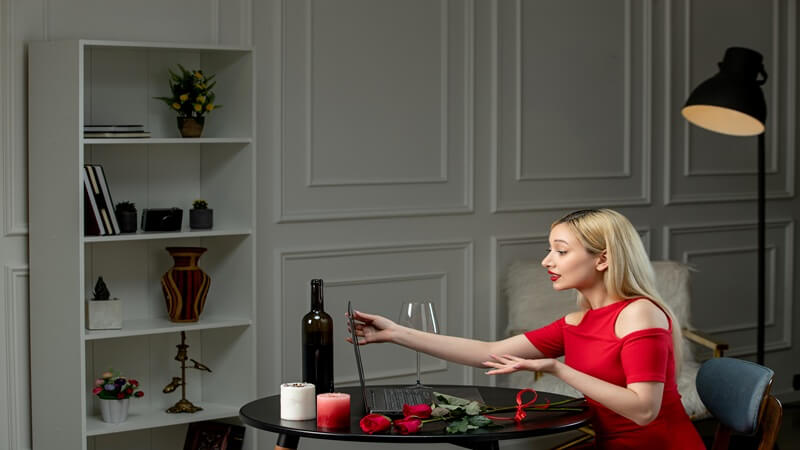
Home decoration continues to evolve as homeowners look for spaces that feel comfortable, personal, practical, and visually attractive. Modern interiors are moving beyond plain color palettes and perfectly matching furniture. Instead, people are embracing natural colors, expressive textures, vintage accessories, curved furniture, and creative lighting solutions that make a home feel warm and distinctive. Understanding the latest decoration trends mintpaldecor can help you refresh your living room, bedroom, kitchen, or entire home without spending unnecessarily. You do not have to replace every piece of furniture or follow every popular style. Often, a new color scheme, carefully selected accessories, improved lighting, or a few secondhand finds can transform a familiar space. According to recent design coverage from Homes & Gardens and the 2026 Houzz Emerging Summer Trends Report, warm earthy colors, tactile materials, curved forms, and more personal interiors are attracting attention. These ideas offer inspiration for creating spaces that look current while remaining comfortable and functional. At MintpalDecorad, the focus is on practical interior decoration tips, home improvement ideas, and affordable ways to make living spaces more enjoyable. This guide explains the most useful decorating trends, how to apply them, and how to choose the right ideas for your home and budget.
1. Nature-Inspired Colors Are Becoming More Popular
One noticeable direction in modern home decoration is the growing interest in colors inspired by nature. Rather than relying exclusively on white, gray, or black, homeowners are exploring deeper greens, warm browns, earthy yellows, and softer natural shades. These colors can create a grounded atmosphere and make interiors feel more inviting.
Deep greens and warm olive shades
Sage green, forest green, and olive are versatile options for different rooms. Sage works well in bedrooms, kitchens, and living areas because it offers a gentle, understated appearance. Deeper greens can create a dramatic effect when used on cabinets, feature walls, or selected furniture. You can combine green with natural wood, cream upholstery, brass details, or woven accessories. This combination creates a balanced appearance without making the room feel overly decorated.
Chocolate brown and warm neutrals
Chocolate brown, caramel, mushroom, beige, and warm taupe can add depth to contemporary interiors. These shades work particularly well with linen curtains, wooden furniture, textured rugs, and soft lighting. Mustard yellow can introduce a brighter accent through cushions, artwork, lampshades, or occasional chairs.
Practical tip: Before painting an entire room, test color samples on different walls. Observe them throughout the day because sunlight and artificial lighting can change how a shade appears.
2. Color Drenching Creates a Cohesive Interior
Color drenching is a decorating technique in which walls, ceilings, skirting boards, and sometimes doors are painted in the same or closely related color. Instead of separating every architectural feature with contrasting shades, this approach creates a more continuous visual effect. The result can feel immersive, coordinated, and sophisticated.
How to use color drenching at home
For a relaxed bedroom, consider muted sage green across the walls and ceiling, complemented by natural wood furniture and cream bedding. In a living room, warm terracotta or a rich brown can create a cozy atmosphere when balanced with suitable lighting and lighter accessories. Small rooms can also benefit from this technique. Continuing a similar color across the walls and trim may reduce the visual interruptions created by contrasting borders. However, the outcome depends on the shade, room size, natural light, and surface finishes. Very dark colors may make a poorly lit room feel heavy, so test your chosen paint before committing.
Create depth with different finishes
Using the same color does not mean every surface must look identical. A matte wall finish combined with slightly different finishes on woodwork can introduce subtle variation. You can also add depth through contrasting materials, such as velvet cushions, wooden furniture, linen curtains, and glass accessories. For additional inspiration, read the Homes & Gardens guide to color drenching, which explores the continuing influence of coordinated color schemes in contemporary interiors.
3. Vintage Furniture and Personal Collections Add Character
Perfectly matching furniture sets are no longer the only way to create a coordinated room. Many homeowners now prefer interiors that combine modern purchases with vintage furniture, family heirlooms, handmade objects, and secondhand decorations. This approach gives a room a collected appearance and allows personal stories to become part of the design.
Mix old and new pieces
A contemporary sofa can look beautiful beside an antique wooden side table. Similarly, a modern dining table can be paired with vintage chairs, provided their proportions and finishes work together. The secret is to create visual connections rather than matching every item. Similar colors, materials, shapes, or finishes can help different pieces feel intentional.
For example, an older wooden cabinet might complement a modern room when its finish relates to the flooring or coffee table.
Decorate with meaningful objects
Family photographs, inherited ceramics, travel souvenirs, framed prints, and handmade decorations can make your home more personal. Instead of displaying every object at once, select a few favorites and give them room to stand out. A carefully arranged collection usually looks more attractive than crowded shelves. Secondhand shopping can also reduce decorating costs. Inspect furniture for stability, damage, odors, and repair requirements before purchasing it.
4. Organic Textures Make Rooms Feel Warmer
Texture plays an important role in contemporary interior decoration. Smooth surfaces may look elegant, but combining them with tactile materials creates depth and makes a room feel more welcoming. Popular materials to consider include linen, cork, natural wood, wool, woven fibers, textured ceramics, and fluted surfaces.
Choose materials that complement one another
Linen curtains can soften a room with hard flooring. A woven rug can introduce warmth beneath a dining table, while a textured cushion can make a plain sofa more interesting. Cork wall coverings or decorative panels may add natural texture to selected spaces. However, always check their suitability for the room, particularly where moisture, cleaning, or durability is a concern. Fluted wood panels and ribbed glass can also create subtle visual interest without relying on excessive decoration.
Balance texture with practicality
Beautiful materials should also suit your lifestyle. Families with young children or pets may prefer washable covers and durable rugs. Kitchens and bathrooms require materials that can tolerate their particular moisture and cleaning conditions. You do not need to use every fashionable texture in one room. Start with two or three complementary materials, then add more only if the design needs additional depth.
5. Curved Furniture Softens Modern Interiors
Straight lines remain useful in interior design, but curved furniture offers an alternative to rigid, box-like arrangements. Rounded sofas, circular dining tables, arched mirrors, and sculptural chairs can make rooms feel softer and more relaxed. The Houzz 2026 emerging trends report highlights increasing interest in curves, soft geometry, and warm colors.
Introduce curves without replacing everything
You can embrace this trend through small additions rather than purchasing an entirely new furniture collection. Consider a round coffee table, a curved mirror above a console, or a circular side table beside an armchair. These elements can break up the straight lines of rectangular furniture and walls. In dining areas, a round table may encourage conversation and improve circulation, depending on the room’s dimensions and seating requirements.
Keep movement and proportion in mind
Curved furniture still needs to fit the available space. Measure the room and maintain clear walking routes before purchasing larger items. Avoid placing too many sculptural pieces together, as they may compete for attention. One prominent curved sofa or statement chair can be enough to establish the look.
6. Transparent Accents Help Smaller Rooms Feel Open
Glass and acrylic furniture can be useful in compact homes because these materials allow light to pass through or preserve a sense of visual openness. A transparent coffee table, glass side table, or clear acrylic chair may provide practical function without appearing as visually heavy as a solid piece of furniture.
Where transparent furniture works best
Consider a glass coffee table in a small living room, a glass console in a narrow entryway, or clear dining chairs in a compact dining area. These pieces work particularly well when the room already has a strong color scheme or several substantial furniture items. However, transparency does not automatically make a room feel larger. Furniture dimensions, lighting, clutter, and circulation remain important.
Prioritize safety and maintenance
Choose furniture made from suitable, durable materials and follow the manufacturer’s guidance for installation and care. Tempered glass may be appropriate for certain furniture applications, but specifications and intended use should always be checked. Glass surfaces also show fingerprints and dust, while acrylic may scratch more easily than some alternatives. Consider these maintenance requirements before making a purchase.
7. Layered Lighting Creates a Better Atmosphere
Lighting is one of the most effective ways to improve a room without undertaking a major renovation. A single harsh ceiling light may leave corners dark and make an otherwise attractive interior feel flat. Layered lighting combines several sources to support different activities and create a more inviting atmosphere.
Combine three types of lighting
Ambient lighting: Provides general illumination through ceiling fixtures, recessed lights, or other room-wide sources.
Task lighting: Helps with specific activities, such as reading, cooking, working, or applying makeup.
Accent lighting: Highlights artwork, shelves, architectural details, and decorative features.
For example, a living room might use a ceiling fixture for general illumination, a table lamp beside the sofa, and a floor lamp in a reading corner.
Choose comfortable light levels
Warm-toned lighting can create a relaxed feeling in bedrooms and living rooms. Kitchens, bathrooms, and work areas may require brighter or more neutral illumination for visibility. Use lampshades and diffused light where appropriate to reduce glare. Make sure all electrical fixtures are suitable for their intended location, and hire a qualified electrician when wiring or permanent electrical work is required. Layered lighting is particularly useful for affordable home decoration because you can improve the atmosphere gradually instead of replacing every fixture at once.
8. Concealed Storage and Integrated Details Create a Clean Look
Another direction in contemporary home design is the use of integrated storage, concealed hardware, recessed niches, and streamlined details. These features can reduce visual clutter and help a room appear more organized.
Make storage part of the design
Built-in cabinets, storage benches, recessed shelves, and furniture with hidden compartments can keep everyday items out of sight. In a bedroom, under-bed drawers can store seasonal clothing or extra bedding. In a living room, closed cabinets can hide electronics, cables, and miscellaneous objects. Kitchens may benefit from integrated organizers, concealed bins, and well-planned cabinet interiors.
Use concealed features selectively
You do not need custom cabinetry throughout your home to achieve a clean appearance. Simple storage boxes, baskets, cable organizers, and matching containers can create a similar sense of order at a lower cost. For permanent built-in features, plan measurements Latest Decoration Trends MintpalDecor carefully and consider access, ventilation, maintenance, and installation requirements. Concealed storage should make daily life easier, not make frequently used items difficult to reach.
9. High-Impact, Low-Cost Decorating Updates
Following decorating trends does not require a large budget. Small, carefully selected improvements can change how a room looks and functions.
Refresh the walls
A fresh coat of paint can dramatically alter a room’s appearance. You might repaint an entire space, create a feature wall, or refresh tired skirting boards and doors. Choose colors that complement existing furniture to avoid unnecessary replacement costs.
Update curtains and accessories
Changing curtains, cushion covers, bedding, lampshades, or rugs can introduce a new color palette without requiring major work. Hang curtains at a height and width that suit the window and wall. Before buying a rug, measure the area and ensure it is large enough to connect the furniture arrangement.
Rearrange existing furniture
Sometimes, the most affordable improvement is simply changing the layout. Move furniture away from blocked walkways, establish a clear focal point, and make better use of natural light. Decluttering surfaces and organizing cables can also create an immediate visual improvement.
Add greenery
Houseplants can introduce color, texture, and a natural element to interiors. Choose plants according to available light, temperature, and your ability to maintain them. If live plants are unsuitable, botanical prints, natural wood accessories, or dried decorative arrangements may provide an alternative.
10. Apply Decoration Trends Room by Room
Different rooms have different requirements, so not every trend should be used in every space.
Living room
Combine a warm neutral palette with a curved chair, textured cushions, layered lamps, and one vintage accessory. Keep the layout comfortable for conversation and everyday activities.
Bedroom
Use soft earthy colors, breathable bedding, warm bedside lighting, and practical storage. A coordinated wall and ceiling color can create a restful atmosphere when balanced with suitable lighting.
Kitchen
Introduce natural wood, earthy cabinet colors, textured backsplashes, and functional lighting. Focus on easy cleaning and durable materials around cooking and preparation areas.
Bathroom
Consider warm neutral tones, textured towels, simple accessories, and carefully chosen lighting. Select finishes designed for moisture-prone environments and ensure adequate ventilation.
Entryway
A mirror, a compact console, a small lamp, and hooks or concealed storage can make an entryway more useful and attractive. Keep the walkway clear, especially in narrow spaces. Adapting trends to each room’s purpose helps create a home that looks coordinated without sacrificing comfort.
11. How to Choose Trends That Suit Your Home
Not every popular design idea will suit your space, budget, or personal preferences. Before making changes, evaluate your home and identify the improvements that will provide the greatest benefit. Start by considering the room’s dimensions, natural light, existing furniture, storage needs, and daily activities. Next, select two or three design ideas that work together. For instance, a small living room might benefit from a warm neutral palette, a transparent side table, and layered lighting. A spacious dining room may be better suited to deeper colors, vintage furniture, and a sculptural pendant light. Set a budget and prioritize essential repairs before decorative upgrades. If you are considering a major renovation, obtain useful professional advice and plan for unexpected costs. For more decorating inspiration, practical home improvement guidance, and interior design ideas, visit MintpalDecorad. Use the ideas that genuinely improve your home rather than feeling pressured to recreate an entire showroom.
12. Common Decorating Mistakes to Avoid
Even attractive trends can produce disappointing results when applied without planning. Avoid these common mistakes:
- Following every trend: Too many competing styles can make a home feel inconsistent.
- Ignoring measurements: Oversized furniture may restrict movement and make rooms uncomfortable.
- Choosing colors without testing them: Lighting can significantly change how paint appears.
- Overdecorating: Excessive accessories can overwhelm the space and create unnecessary cleaning.
- Ignoring function: Furniture and decorative features should support everyday activities.
- Buying poor-quality items: Consider durability, repair costs, and maintenance rather than price alone.
- Using unsuitable materials: Check whether finishes can withstand moisture, sunlight, wear, and cleaning.
- Neglecting lighting: A room needs suitable illumination for both practical tasks and relaxation.
A thoughtful design plan helps you avoid these problems and use your decorating budget better.
Frequently Asked Questions
What are the biggest home decoration trends in 2026?
Popular directions include earthy colors, color drenching, vintage and secondhand furniture, organic textures, curved furniture, transparent accents, and layered lighting. Their suitability depends on the home and the homeowner’s preferences.
How can I update my home without spending much money?
Rearrange existing furniture, repaint selected surfaces, update cushion covers, add a table lamp, declutter shelves, and shop for carefully chosen secondhand accessories.
Are neutral colors still fashionable?
Yes. Neutral colors remain useful, but many contemporary interiors combine them with warmer undertones, earthy shades, natural materials, and more expressive accents.
Is color drenching suitable for small rooms?
It can be. Using a consistent color across walls and architectural details may reduce visual interruptions. Test the shade and consider the room’s lighting before committing.
How can I combine vintage and modern furniture?
Look for shared colors, materials, shapes, or finishes. Pair one distinctive vintage item with simpler contemporary furniture, and avoid filling the room with too many competing statement pieces.
Conclusion
Modern home decoration is increasingly focused on warmth, individuality, texture, and practical design. Nature-inspired colors, color drenching, vintage accessories, curved furniture, transparent accents, and layered lighting offer plenty of opportunities to refresh your home. The most successful decorating choices balance visual appeal with comfort, durability, and everyday needs. You can embrace these ideas gradually by updating a color scheme, improving lighting, rearranging furniture, or introducing a few meaningful accessories. The latest decoration trends mintpaldecor can provide inspiration, but your home should ultimately reflect your lifestyle, taste, and budget. Rather than copying every popular look, select the ideas that work best in your space and combine them thoughtfully. For more practical interior decoration tips, creative home styling ideas, and affordable improvement inspiration, explore https://mintpaldecor.org/. With careful planning and a personal approach, you can create a comfortable, attractive home that remains useful and enjoyable long after individual trends change.