
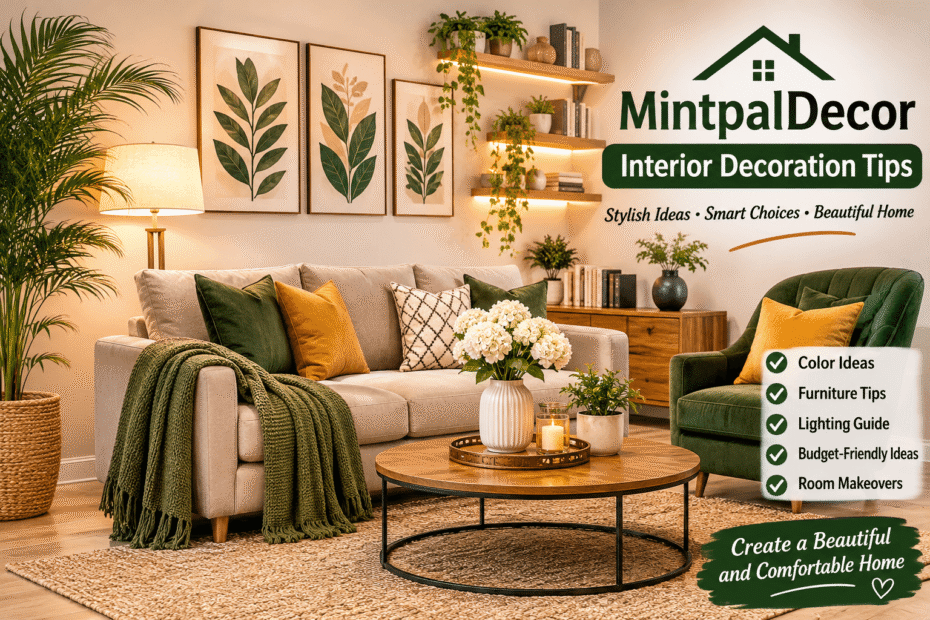
A beautiful home is more than attractive furniture, decorative accessories, and fashionable colors. It is a personal space that reflects your lifestyle, supports your daily activities, and makes you feel comfortable. Whether you live in a small apartment, a family house, or a spacious modern property, thoughtful design choices can make every room more inviting and practical. Home decoration does not always require expensive furniture or major renovations. Sometimes, simple improvements such as rearranging furniture, changing lighting, adding plants, selecting suitable colors, or organizing unused areas can make a noticeable difference. The key is to understand your space, identify your needs, and make decisions that balance appearance with functionality. MintpalDecor is a useful source of inspiration for people who want to explore practical home decoration ideas, interior design guidance, affordable improvements, and creative ways to make everyday spaces more enjoyable. By focusing on comfort, personal taste, and smart planning, homeowners can create interiors that look attractive while remaining easy to maintain. This complete guide explains how to plan your home design, choose colors and furniture, improve lighting, decorate different rooms, manage your budget, and avoid common decorating mistakes.
1. Understand Your Space Before Decorating
Before purchasing furniture or selecting decorative items, take time to understand your available space. Every room has different dimensions, natural lighting conditions, architectural features, and practical requirements. Start by measuring the room’s length, width, and height. Record the positions of doors, windows, electrical outlets, radiators, and built-in storage. These measurements help you determine which furniture sizes and layouts will work best. Next, think about how each space will be used and design it to suit its intended function. A living room needs comfortable seating and space for entertainment, while a bedroom should provide a relaxing atmosphere and adequate storage. Similarly, a home office should have proper lighting, a functional desk, and an organized workspace.
Keep these points in mind:
- Identify the main purpose of each room.
- Measure furniture before purchasing it.
- Pay attention to the areas where natural light enters the space.
- Identify areas that need additional storage.
- Keep enough walking space around furniture.
- Avoid filling every empty corner with accessories.
2. Choose a Color Scheme That Creates Harmony
- Dominant color: The primary shade used on most walls or larger surfaces.
- Secondary color: Use this shade for furniture, curtains, rugs, or selected decorative features.
- Accent color: Introduce smaller amounts through cushions, artwork, lamps, and accessories.
Neutral shades such as cream, beige, warm white, and soft grey create a flexible foundation. You can combine them with earthy tones, muted greens, navy blue, or warm terracotta to add personality. For a peaceful bedroom, consider soft neutrals and muted greens. In a living room, warm beige tones paired with wooden furniture create a cozy and inviting ambiance. A home office may benefit from balanced colors that feel calm without becoming visually dull. Before painting an entire room, test small color samples on different walls. Observe them during morning, afternoon, and evening because lighting can change how a shade appears.
3. Select Furniture That Combines Comfort and Functionality
Furniture plays an important role in both the appearance and usability of a home. Attractive furniture may improve a room’s style, but it should also support everyday activities. Start with essential pieces instead of purchasing everything at once. For instance, a living room typically requires a sofa, a coffee table, and functional storage solutions. Additional chairs, side tables, and decorative furniture can be introduced when space and budget allow.
Consider the following furniture guidelines:
- Choose furniture that matches the room’s measurements.
- Prioritize comfort when selecting sofas, chairs, and beds.
- Look for durable materials that suit your lifestyle.
- Choose space-saving storage furniture to make the most of smaller rooms.
- Avoid blocking doors, windows, and walking routes.
- Consider multifunctional furniture for smaller homes.
A storage bed, folding dining table, nesting tables, or ottoman with hidden storage can help maximize limited space. It is also important to consider how the furniture is arranged within the space. Position larger pieces first, then arrange smaller items around them. Keep frequently used furniture within easy reach and maintain clear pathways. The objective is not to fill every corner. The goal is to create a comfortable layout that allows people to move around freely and use the space with ease.
4. Enhance the Lighting to Create a Warmer, More Welcoming Interior
Ambient lighting
Ambient lighting creates an overall layer of illumination across a room. Common examples include ceiling lights, recessed fixtures, and well-chosen pendant lights.
Task lighting
Task lighting supports specific activities such as reading, cooking, studying, and working. Practical options include desk lamps, under-cabinet lighting, and bedside reading lights.
Accent lighting
Accent lighting emphasizes key features of a space, including artwork, shelves, architectural details, and decorative accents. Wall lights and adjustable spotlights can create visual interest. Maximizing natural light should also be an important consideration. Keep windows clean, avoid placing bulky furniture directly in front of them, and choose window treatments that allow sunlight to enter when needed. Use warm lighting in relaxation areas and brighter task lighting in kitchens, offices, and workspaces. Select appropriate fixtures according to the room’s purpose rather than relying on one lighting style throughout the entire home.
5. Decorate Walls With Personality and Balance
Walls offer valuable opportunities to introduce character into a room. Empty walls can make an interior feel unfinished, but too many decorations may create visual clutter.
Choose wall decorations according to the room’s size and style. Popular options include:
- Framed photographs and artwork.
- Mirrors with decorative frames.
- Wall shelves for books and accessories.
- Textured wallpaper.
- Picture-frame molding.
- Simple wall panels.
- Decorative clocks and handcrafted pieces.
A gallery wall can display family photographs, artwork, or personal memories. For a balanced arrangement, plan the layout on the floor before attaching frames to the wall. Mirrors are especially useful in smaller rooms because they reflect light and can create a greater sense of openness. Place them where they reflect an attractive view or a source of natural light. An accent wall can also create a focal point without requiring a complete room makeover. You can use a different paint color, wallpaper, wood panels, or decorative molding to distinguish one wall from the rest.
6. Make Your Living Room Comfortable and Stylish
The living room is often one of the most frequently used spaces in a home. It may serve as a place for family conversations, relaxation, entertainment, and welcoming guests. Start by deciding where the main seating area should be. Arrange the sofa and chairs so people can communicate comfortably. If the room includes a television, position seating to provide a suitable viewing angle without making the screen the only focus. A rug can help define the seating area. Ideally, choose a size that relates to the furniture arrangement rather than using a very small rug that appears disconnected. Add cushions and throws to introduce color, texture, and comfort. However, avoid using too many patterns or decorative accessories. Plants, lamps, framed artwork, and carefully selected ornaments can make the room feel complete. Leave some open surfaces and clear spaces so the interior remains practical.
7. Create a Peaceful and Organized Bedroom
A bedroom should support rest. Its design should feel comfortable, uncluttered, and personal. Begin with the bed because it is usually the main feature of the room. Position it where movement around the space remains easy. Select comfortable bedding and colors that encourage a calm atmosphere.
Practical bedroom improvements include:
- Use bedside tables to keep essential items accessible.
- Add soft lighting for evening relaxation.
- Choose curtains that provide suitable privacy.
- Use wardrobes and drawer organizers to manage clothing.
- Keep unnecessary objects away from the bed.
- Introduce a rug for warmth and comfort.
If your bedroom is small, use vertical storage, under-bed containers, and wall-mounted shelves. Avoid oversized furniture that makes the room difficult to navigate. You can also introduce personality through artwork, cushions, a headboard, or a few meaningful decorative objects. The goal is to create a space that feels peaceful rather than crowded.
8. Design a Practical and Attractive Kitchen
The kitchen needs a balance of appearance, hygiene, and functionality. Since it supports everyday activities, organization should remain a priority. Start by arranging frequently used items near the areas where you need them. Keep cooking utensils close to the cooking zone, store dishes near the dishwasher or sink, and organize food supplies in accessible cabinets.
Consider these improvements:
- Use drawer dividers for utensils.
- Add shelf organizers to increase cabinet capacity.
- Store frequently used ingredients in labeled containers.
- Keep countertops clear of unnecessary objects.
- Use suitable lighting above work surfaces.
- Clean handles, cabinet doors, and appliances regularly.
If you want to update the kitchen without a complete renovation, consider changing cabinet handles, adding a backsplash, improving lighting, or painting suitable cabinet surfaces. Choose materials that are easy to clean and appropriate for a kitchen environment. Decorative choices should never interfere with food preparation, ventilation, or safe movement.
9. Use Textures and Accessories to Add Depth
A room can look flat when every surface has the same finish. Different textures help create depth and make an interior feel more inviting. You can combine materials such as wood, cotton, linen, glass, metal, wool, and natural stone.
For example, a wooden coffee table can work beautifully with a soft fabric sofa, a woven rug, and metal lighting fixtures.
Accessories also help express your personality. However, choose them carefully instead of buying decorative products simply because they are fashionable.
Useful accessories include:
- Decorative cushions and throws.
- Table lamps and floor lamps.
- Indoor plants and planters.
- Ceramic vases and bowls.
- Framed artwork.
- Textured rugs.
- Decorative trays and baskets.
Try grouping accessories in small arrangements. A tray with a vase and a book can look more organized than several unrelated objects spread across a table. Remember that negative space is also part of good design. Leaving some surfaces empty allows important decorative pieces to stand out.
10. Bring Nature Into Your Home
Natural elements can make interiors feel refreshing and connected to the outdoors. Plants, natural materials, sunlight, and organic textures are simple ways to create a more comfortable atmosphere. Choose indoor plants according to available light and your ability to maintain them. Some plants need bright indirect light, while others can tolerate lower-light conditions. Always check their watering and care requirements before purchasing. If maintaining live plants is difficult, consider dried flowers or high-quality artificial greenery. Natural materials can also introduce warmth. Wooden furniture, woven baskets, linen curtains, cotton bedding, and stone accessories are useful options. Whenever possible, keep windows unobstructed and allow daylight to enter. A connection with the outdoors can improve the overall feeling of a room without requiring expensive decoration.
11. Make Small Rooms Feel More Spacious
Small homes and apartments require careful planning. The right design choices can help them feel more open, organized, and comfortable. Start by reducing unnecessary furniture. Select pieces that serve more than one purpose and avoid blocking windows or pathways.
Useful ideas include:
- Use vertical storage: Wall-mounted shelves and tall cabinets make better use of available height.
- Choose suitable furniture: Compact sofas, folding tables, and storage ottomans can improve flexibility.
- Use mirrors: Mirrors reflect light and can make a room appear larger.
- Select lighter colors: Soft neutrals and consistent color schemes can create a more open feeling.
- Keep floors visible: Furniture with raised legs can create a sense of openness because more floor area remains visible.
- Organize regularly: Remove unused belongings and give everyday items a proper storage location.
A small room does not need to look empty. It simply needs a thoughtful layout that avoids unnecessary obstacles.
12. Improve Your Home Without Overspending
Home decoration can become expensive when purchases are made without a plan. A realistic budget helps you focus on improvements that provide the greatest value. First, identify which areas need attention. Repair damaged surfaces, improve poor lighting, and organize storage before spending money on decorative accessories.
Divide your budget into three categories:
- Essential improvements: Repairs, safety-related work, and functional upgrades.
- Important updates: Furniture, lighting, storage, and window treatments.
- Decorative additions: Artwork, cushions, plants, and accessories.
You can also save money through simple do-it-yourself projects. Repainting a suitable piece of furniture, changing cabinet handles, refreshing cushions, or creating your own wall artwork can give a room a new appearance. Compare prices before purchasing and check product measurements, materials, and return policies. Do not buy low-quality items simply because they are inexpensive. Durable products may offer better long-term value. For more practical inspiration, explore MintpalDecor at https://mintpaldecorad.org/ to discover ideas for improving your home’s appearance and functionality.
13. Avoid Common Home Decoration Mistakes
Even good decorating ideas can produce disappointing results when they are not planned properly. Understanding common mistakes can help you make better decisions.
- Buying furniture before measuring: Always check the available space and furniture dimensions before making a purchase.
- Using too many colors: A room may look confusing when several strong colors compete for attention. Choose a coordinated palette.
- Ignoring lighting: A single ceiling light may not provide enough illumination for every activity.
- Overdecorating surfaces: Too many accessories can make rooms feel crowded and difficult to clean.
- Following every trend: Trends change, but your furniture and main design choices should support your long-term needs.
- Choosing appearance over comfort: Beautiful furniture is not useful if it is uncomfortable or impractical.
- Ignoring storage: Poor storage can make even a spacious room look messy.
The best approach is to combine attractive design with practical everyday requirements.
14. Develop a Consistent Decorating Style
A consistent design style helps different rooms feel connected. This does not mean every room must look identical. Instead, repeat selected colors, materials, shapes, or decorative details throughout the home.
For example, you might use warm wood in the living room, bedroom, and dining area. You can also repeat a similar metal finish in lighting fixtures, cabinet handles, and decorative frames.
Popular interior styles include:
- Modern: Clean lines, simple furniture, and uncluttered spaces.
- Minimalist: Limited decoration, functional furniture, and open layouts.
- Scandinavian: Light colors, natural materials, and practical design.
- Traditional: Classic furniture, rich details, and timeless patterns.
- Bohemian: Layered textiles, plants, artistic objects, and varied textures.
- Industrial: Exposed materials, metal finishes, and practical furniture.
You do not have to follow one style completely. Combining compatible elements can create a personal interior that reflects your taste.
15. Create a Simple Home Decoration Plan
A step-by-step plan can make decorating easier and prevent unnecessary spending.
- Step 1: Identify your goals. Decide whether you want to improve comfort, increase storage, refresh colors, or update an outdated room.
- Step 2: Assess the room. Measure the space, inspect existing furniture, and identify what needs improvement.
- Step 3: Set a budget. Decide how much you can comfortably spend and prioritize essential work.
- Step 4: Choose a design direction. Select a color palette, materials, and general decorating style.
- Step 5: Plan furniture placement. Make sure the layout supports movement and daily activities.
- Step 6: Improve lighting. Combine natural light, general illumination, task lighting, and accent lighting.
- Step 7: Add decorative details. Introduce artwork, textiles, plants, and accessories gradually.
- Step 8: Review the result. Check whether the room is comfortable, organized, and easy to maintain.
Following these steps helps you make thoughtful decisions instead of purchasing items without a clear purpose.
Frequently Asked Questions
1. How can I decorate my home on a limited budget?
Start with cleaning, decluttering, rearranging existing furniture, and improving lighting. You can also repaint suitable furniture, change cabinet handles, add affordable cushions, and use plants or handmade decorations.
2. Which colors make a small room look bigger?
Light neutrals such as warm white, cream, pale grey, and soft beige can help a small room feel more open. Mirrors and good lighting can strengthen this effect.
3. How do I make my living room look more attractive?
Use a balanced furniture layout, coordinated colors, comfortable textiles, suitable lighting, and a few meaningful decorative accessories. Keep pathways clear and avoid overcrowding surfaces.
4. Is it necessary to follow current decorating trends?
No. Trends can inspire, but your home should reflect your lifestyle, comfort, and personal preferences. Choose designs that you can enjoy for years.
5. How often should I update my home decoration?
There is no fixed schedule. Small seasonal changes can refresh a room, while larger updates are best made when furniture becomes unsuitable, surfaces need repair, or your needs change.
6. What is the most important part of interior decoration?
Planning is one of the most important parts. Understanding your space, selecting suitable furniture, choosing a coordinated color scheme, and arranging proper lighting create a strong foundation for successful decoration.
Conclusion
Creating a beautiful home does not require unlimited money, professional equipment, or a complete renovation. It requires thoughtful planning, practical choices, and an understanding of how each space supports your everyday life. Start with the basics: measure your rooms, identify your needs, choose suitable colors, arrange furniture carefully, and improve lighting. Then introduce textures, plants, artwork, and accessories that reflect your personality. Make changes gradually so you can evaluate what works before spending more. A comfortable home should look attractive while remaining functional, organized, and easy to maintain. With the right approach and inspiration from MintpalDecor, you can turn ordinary rooms into welcoming spaces that support your lifestyle and make everyday living more enjoyable.