
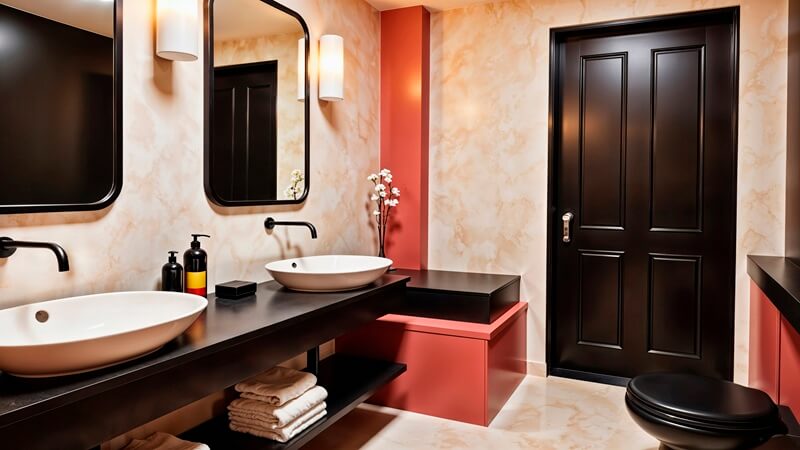
Interior doors play an important role in the appearance, comfort, and functionality of a home. Although people often focus on furniture, wall colors, flooring, and lighting when decorating their interiors, doors can have an equally significant impact on the overall design. The right door style can make a room feel more modern, create visual interest, improve privacy, and complement the architectural features of a property. Homeowners today have many options, including minimalist flush doors, classic panel doors, elegant French doors, space-saving pocket doors, and natural wood designs. Each style has its own benefits, so selecting the best option involves more than just keeping up with the latest trends. If you are wondering what interior doors are trending mintpaldecor, this guide explores popular door styles, current design directions, material choices, colors, practical considerations, and helpful tips for selecting doors that suit your home.
Why Interior Door Design Matters
Interior doors are more than functional barriers between rooms. They contribute to the overall character of a home and help establish a consistent design throughout different spaces. A well-chosen door can complement your furniture, coordinate with your flooring, and enhance the visual connection between rooms. In contrast, an outdated or poorly matched door may make an otherwise attractive interior feel unfinished.
Interior doors also provide several practical benefits:
- Privacy for bedrooms and bathrooms
- Noise reduction between living spaces
- Separation between work and relaxation areas
- Better organization of open-plan interiors
- Improved use of limited space
- A consistent decorative style throughout the house
When selecting new doors, consider both appearance and performance. A beautiful door should also open comfortably, provide appropriate privacy, and suit the needs of the room.
1. Minimalist Flush Doors
Minimalist flush doors remain an attractive choice for contemporary homes. These doors have smooth, flat surfaces without raised panels or elaborate decorative details. Their simple appearance works particularly well in modern, Scandinavian, and minimalist interiors. They can blend into the surrounding walls or create a subtle contrast through different colors and finishes. White, warm beige, light gray, and natural wood finishes are versatile choices for flush doors.
Why Choose Flush Doors?
Flush doors create a clean, uncluttered appearance. They work well in hallways, bedrooms, home offices, and other areas where visual simplicity is important. They are also relatively easy to coordinate with different furniture styles. If you change your interior decoration later, a simple door design can remain suitable. For a more refined appearance, consider concealed hinges or flush-fitting hardware where the door construction allows it. However, proper installation is essential to achieve a seamless finish.
2. Natural Wood Interior Doors
Natural wood doors continue to appeal to homeowners who want warmth, texture, and timeless character. Wood introduces organic details that can soften contemporary interiors and complement traditional homes. Popular appearances include light oak, walnut, ash, and other natural wood tones. Rather than covering every surface with paint, many modern interiors use visible wood grain to create visual interest.
How to Use Wood Doors Effectively
Consider the existing colors and materials in your home before selecting a wood finish. Light oak can complement neutral walls and pale flooring, while darker walnut can create a richer, more dramatic appearance. You do not necessarily need to match the door color exactly to your furniture or flooring. Instead, choose tones that complement one another. For instance, a light oak door pairs beautifully with warm white walls, natural fabrics, and dark metal hardware. When buying wood doors, check whether the product is solid wood, engineered wood, or a wood veneer. These options differ in cost, weight, stability, and maintenance requirements.
3. Classic Panel Doors
Panel doors remain a popular option because they combine traditional character with practical versatility. These doors feature recessed or raised panels that add depth and detail. Depending on their design, they can suit traditional, transitional, farmhouse, and contemporary interiors. Two-panel, three-panel, and six-panel designs each create a distinct look.
Where Do Panel Doors Work Best?
Panel doors are particularly suitable for bedrooms, living areas, dining rooms, and homes with classic architectural details. White panel doors can provide a clean, traditional appearance. Darker painted finishes may create a more distinctive look when coordinated with the surrounding interior. If your home has decorative molding, traditional furniture, or classic flooring, panel doors can reinforce the existing style. For a modern interpretation, choose simpler panel profiles and understated hardware instead of highly ornate details.
4. Glass Interior Doors
Glass doors are an excellent option for homeowners who want to maintain visual connections between spaces while separating different areas. They can allow natural light to travel between rooms, making some interiors feel brighter and more open. Glass doors are especially useful between living rooms and home offices, kitchens and dining areas, or other spaces where light and visibility are desirable.
Clear, Frosted, or Textured Glass?
The type of glass should depend on the room’s purpose.
- Clear glass:Best suited for spaces where maintaining visibility is a priority.
- Frosted glass: Offers more privacy while allowing light to pass through.
- Textured glass: Adds visual appeal while providing some privacy.
- Reeded glass: Creates clean vertical lines for a modern, distinctive look.
For bathrooms and bedrooms, consider privacy carefully before choosing transparent glass. Safety is also important. Select appropriate safety glazing where required by local building regulations, particularly in doors with large glass panels or in locations where accidental impact is possible.
5. French Interior Doors
French doors typically feature two hinged door leaves with glass panels. They offer an elegant appearance and can make adjoining rooms feel connected. They are particularly attractive in traditional, transitional, and contemporary-classic interiors. French doors can work well between a living room and dining room, a study and hallway, or other spaces where you want a decorative opening.
Benefits of French Doors
French doors can introduce natural light, create a sense of openness, and provide a more substantial architectural feature than a standard single door. However, they generally require more clearance than sliding or pocket doors because both panels need space to open. Before installing them, measure the opening and consider how the doors will interact with nearby furniture. If privacy is important, frosted glass or suitable window treatments may be helpful.
6. Sliding Interior Doors
Sliding doors are a practical solution for homes where space is limited. Unlike conventional hinged doors, sliding doors move along a track instead of swinging into a room. This can make them useful for compact bedrooms, closets, laundry areas, and other locations where floor space is valuable. Some sliding doors feature large glass panels, while others use wood, painted finishes, or decorative materials.
Choosing the Right Sliding Door
Consider the track system, opening width, door weight, and available wall space. Surface-mounted sliding doors require room for the panel to move along the wall. You should also consider whether the door will cover switches, artwork, or furniture when open. Quality hardware is essential because sliding doors depend on their track and rollers for smooth operation. If sound insulation and complete privacy are important, check the door’s construction and sealing. Many sliding designs do not provide the same acoustic performance as a well-fitted conventional door.
7. Pocket Doors for Space-Saving Interiors
Pocket doors are another practical choice for compact homes. Unlike surface-mounted sliding doors, pocket doors slide into a cavity within the wall. When open, the door largely disappears from view, creating an uncluttered appearance. They can be particularly useful for en-suite bathrooms, walk-in closets, small offices, and narrow hallways.
What Should You Consider Before Installation?
Pocket doors usually require planning within the wall structure. Plumbing pipes, electrical wiring, and structural components can affect whether installation is possible. Retrofitting a pocket door may involve more construction work than replacing a conventional door. You should also consider access to the track and hardware for future maintenance. When correctly planned and installed, pocket doors can provide an elegant solution for homes where every inch of floor space matters.
8. Modern Black Interior Doors
Black interior doors have become a recognizable design choice in contemporary interiors. They create a strong visual contrast and can make simple architectural features feel more distinctive. Black doors can work particularly well with white walls, light flooring, warm wood, and neutral furniture. They are also suitable for industrial-inspired, modern, and some traditional interiors.
How to Use Black Doors Without Overwhelming a Room
Consider the amount of natural light and the size of the space. In a bright interior, black doors can provide a striking focal point. In a small or dim hallway, extensive dark finishes may make the space feel visually heavier. You can soften the effect by using warm wood elements, lighter walls, and simple hardware. Matte black finishes are often chosen for contemporary designs, although satin and other finishes can also work well. The goal is to create a balanced appearance rather than using dark colors simply because they are fashionable.
9. Warm Neutral and Earth-Tone Doors
Warm neutrals have an enduring place in interior design. Shades such as cream, beige, taupe, and soft greige can create a calm and cohesive appearance. These colors work especially well in interiors that feature natural wood, textured fabrics, stone surfaces, and soft lighting. Warm neutral doors are versatile because they can complement both contemporary and traditional furnishings.
Why Are Neutral Doors So Versatile?
Neutral finishes generally coordinate easily with changing decorative styles. If you update your wall color, furniture, or accessories, the doors may still work with the new design. For a subtle effect, select a door color close to the wall color. For more definition, choose a slightly darker or lighter shade. Always test paint samples under the room’s actual lighting conditions before committing to a final finish.
10. Bold and Colorful Interior Doors
Although neutral doors remain versatile, colorful designs offer another way to express personal style. Deep green, muted blue, terracotta, and other carefully selected shades can add character without requiring a complete room makeover. A painted door can become a focal point in an otherwise simple hallway or living area.
Choosing a Color That Works
Start by examining the colors already present in the room. Consider the walls, flooring, furniture, artwork, and decorative accessories. If the room already contains many strong colors or patterns, a more restrained door finish may create better balance. In a neutral interior, a colored door can provide a welcome accent. Before painting, confirm that the existing door material is suitable for the selected paint system. Proper preparation, compatible primer, and adequate drying time help achieve a durable finish.
11. Fluted and Reeded Door Designs
Fluted and reeded details introduce texture through repeated grooves or narrow vertical lines. These designs can give a door a more decorative appearance while maintaining a relatively simple overall shape. Depending on the material and construction, the detailing may be applied to wood, engineered panels, or glass. Fluted designs can complement contemporary, modern-classic, and some Art Deco-inspired interiors.
How to Incorporate Textured Doors
Textured doors work best when their detailing complements other elements in the room.
For example, vertical grooves can coordinate with fluted furniture, ribbed glass, or similarly detailed cabinetry.
However, avoid adding too many competing textures in a small space. A distinctive door often looks best when the surrounding decoration is relatively restrained. Also check how easily the grooves can be cleaned, particularly in busy household areas.
12. Interior Doors With Concealed Frames
Some contemporary interiors use concealed frames to create a clean, architectural appearance. Depending on the system, the door may sit nearly flush with the surrounding wall, with minimal visible trim. This approach can make hallways and connected rooms feel visually consistent.
Are Concealed-Frame Doors Right for Your Home?
Concealed-frame doors usually require careful coordination between the door system, wall construction, plastering, and finishing work. They may be easier to plan during a new build or major renovation than to install in an existing finished wall. Consider the installation cost and maintenance requirements before choosing this style. If you prefer a seamless interior, a well-designed flush door with simple trim may provide a similar visual effect with less construction complexity.
13. How to Choose the Right Interior Door Material
Door style is only one part of the decision. Material affects durability, appearance, weight, cost, and maintenance.
Common options include:
Solid wood: Offers natural grain and substantial construction, but its price and response to humidity vary by species and construction.
Engineered wood: Can provide a consistent appearance and may offer greater dimensional stability than some solid-wood options.
Hollow-core doors: Are often lighter and more affordable, making them suitable for some interior applications. However, they generally provide less sound insulation and impact resistance than heavier alternatives.
Solid-core doors: Typically offer greater weight and improved sound reduction compared with hollow-core models, although actual performance depends on construction and installation.
Glass doors: Help transmit light and provide a more open visual connection between spaces, but the glazing type and privacy level must suit the intended location. Choose a material according to your budget, household needs, and the demands of the room.
14. What Interior Doors Are Trending MintpalDecor: How to Select the Best Style
Understanding what interior doors are trending mintpaldecor involves looking beyond popular colors and designs. The best door is one that suits your home, works well in its intended location, and remains attractive as your decorating preferences evolve. Use these practical steps when making your selection.
Measure the Door Opening
Measure the width, height, and thickness of the existing door, and check the frame and surrounding space. If you are replacing the entire door system, the rough opening, frame dimensions, hinge positions, and floor clearance may also matter. Do not order a door based only on the visible opening. Confirm the manufacturer’s sizing requirements.
Match the Door to the Room
A bedroom may require greater privacy and sound reduction than a decorative partition between living areas. A bathroom door should suit the room’s privacy needs and environmental conditions. A closet door may benefit more from space-saving operation than from elaborate decorative features.
Consider the Interior Style
Choose doors that complement the architecture and decoration of your home. Flush doors suit simple modern interiors, panel doors work well with classic details, and natural wood doors can introduce warmth to a range of styles. You can mix door styles when necessary, but maintaining some consistency in color, hardware, or proportions helps the home feel cohesive.
Compare Quality and Cost
Do not compare doors by price alone. Examine the material, finish, hardware, warranty, installation requirements, and expected maintenance. A low-cost door may be suitable for a lightly used storage area, while a bedroom or frequently used hallway may benefit from a more durable option. Request product specifications where available and make sure the chosen door meets the requirements of its intended location.
15. Common Mistakes to Avoid When Choosing Interior Doors
A few simple precautions can prevent expensive mistakes.
Ignoring measurements: Incorrect dimensions can cause fitting problems, gaps, or additional carpentry work.
Choosing style over function: A beautiful glass door may not be suitable where complete privacy is necessary.
Overlooking clearance: Hinged doors need sufficient swing space, while sliding and pocket doors have different installation requirements.
Mixing too many finishes: Excessive variation in door colors and hardware can make connected spaces feel inconsistent.
Ignoring sound reduction: Lightweight doors may not meet the needs of bedrooms, offices, or other areas where noise control matters.
Selecting unsuitable materials: Moisture, humidity, heavy use, and cleaning requirements should all influence the material choice.
Neglecting professional installation: Poor alignment can affect appearance, operation, latching, and long-term performance.
For fire-rated doors or other doors subject to building requirements, follow the applicable local regulations and use the correct certified components.
16. How to Maintain Interior Doors
Regular care helps interior doors remain attractive and functional. Dust doors periodically with a soft cloth and clean them using products appropriate for their finish. Avoid harsh chemicals that could damage paint, veneer, or protective coatings. Inspect hinges, handles, locks, and sliding tracks occasionally. Tighten loose hardware when appropriate, and address sticking or rubbing before the problem worsens. For painted doors, small scratches may be repaired with compatible touch-up paint. Natural wood finishes may require specific cleaning or maintenance products. If a door begins to swell, warp, or stop closing properly, investigate the cause rather than immediately forcing it into place. Humidity, alignment issues, or frame movement may be responsible.
Final Thoughts
Interior doors can influence the comfort, functionality, and overall appearance of your home more than you might expect. From minimalist flush doors and natural wood finishes to classic panels, glass designs, pocket doors, and bold painted styles, there are many ways to find an option that suits your space. When considering what interior doors are trending mintpaldecor, remember that a successful choice balances current design ideas with long-term practicality. Think about privacy, natural light, available space, durability, maintenance, and the architectural style of your home. Start by identifying the needs of each room, measure carefully, compare suitable materials, and choose finishes that complement your existing decoration. Where installation involves structural changes or specialist requirements, seek professional advice. Ultimately, the best interior door is not simply the one that follows a trend. It is the one that looks right, functions properly, and supports the way you live. With thoughtful planning and attention to detail, interior doors can become an important part of a cohesive, comfortable, and attractive home.